
Learning how to travel like a local can turn an ordinary trip into a more authentic and memorable experience. Many travelers want to move beyond crowded attractions and discover the neighborhoods, restaurants, and traditions that residents enjoy every day. By slowing down, exploring beyond the tourist hotspots, and embracing local culture, you can save money, avoid long lines, and experience your destination from a fresh perspective.
Table of Contents
Master Public Transport to Save Time and Money
Transit maps look intimidating at first, but focus unlocks them quickly, especially trunk lines and transfer hubs. Learn to spot the main trunk lines that run through a city, because those lines carry the most direct trips and the easiest transfers. For example, identify end-of-line behavior so you know where trains reverse or wait, and use that to time connections. These habits cut waiting time and keep travel simple.
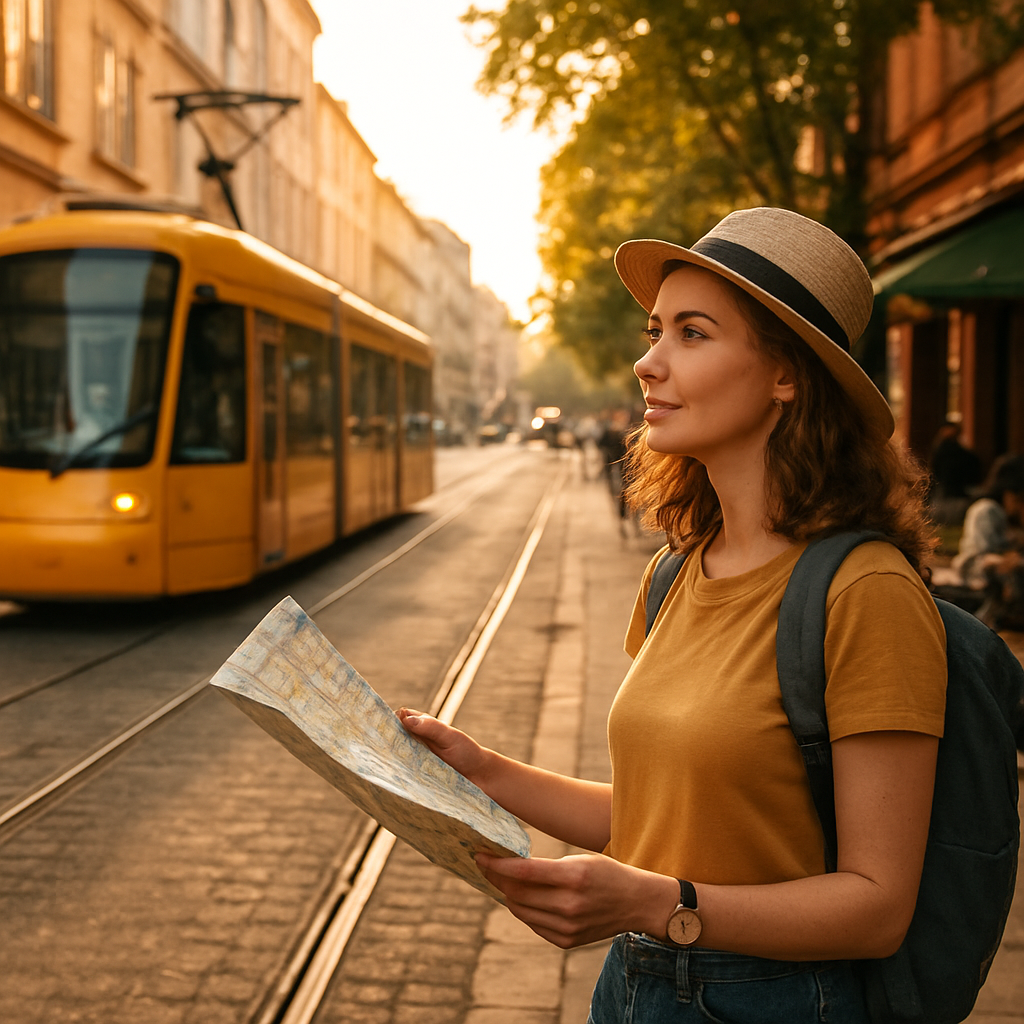
Ticket types change how you travel, so compare single tickets, day passes, and contactless options before you buy. In many places a local transit pass pays off after two or three trips, and topping up a stored-value card is faster than fumbling with single fares.
Below is a quick comparison to help you decide which option matches your trip pattern and budget:
| Ticket Type | Typical Cost Scenario | Best Use | Cost-Saving Example |
|---|---|---|---|
| Single Fare | Cheap per trip, adds up fast | One-off trips, short stays | Save with few rides |
| Day Pass | Higher upfront, unlimited rides day | Busy sightseeing or full-city days | Save after 3-4 rides |
| Weekly Pass | Best for longer visits, fixed cost | Stays longer than five days | Huge per-ride savings |
| Contactless | Pay-as-you-go on bank card or phone | Flexible travelers, short visits | Avoids ticket lines |
Multimodal routing is a practical skill that combines metro, bus, tram, and bike-share so you reach neighborhoods faster. Combine a quick metro leg with a short bike-share ride to cross last-mile gaps, and you will often beat taxis in both time and cost. Watch how commuters move at rush hour, because following their flows reveals efficient transfer points and hidden shortcuts. Practicing this will make you feel more local every day.
Safety and etiquette matter on public transport, and locals follow simple rules about boarding and noise. Stand clear of doors, let people exit first, and move inside the car to free space for new riders. Quiet cars or carriage sections often exist, and respect for those spaces is a clear local habit. Remember, small behaviors like offering a seat show you are paying attention to public transport etiquette and that earns respect.
Eat Like Local: Find Authentic Meals and Avoid Tourist Menus
Locals structure meals by time and place, and matching that rhythm opens doors to better food and lower prices. Street breakfast stalls and morning bakeries feed early workers, market lunches serve home routes, and family-style dinners happen later in the evening. When you follow local timing you discover dishes not shown on tourist menus, and you feel less like a visitor. That simple timing is one of the fastest paths to authentic dining.
Use these three practical checks to identify genuinely local eateries: menu language, ordering patterns, and peak hours. Look for menus mostly in the local language, watch where staff and delivery drivers eat, and visit during local peak times to see true popularity. These actions include:
- Check if locals are ordering from the menu while staff eat in-house.
- See if the menu has daily chalk specials, not glossy tourist photos.
- Note the busiest hours, even if they are earlier or later than you expect.
Street food is irresistible, but safety matters. Choose stalls with steady turnover, visible cooking, and sensible hygiene, because these signs reduce risk of stomach issues. If you follow lines of commuters and delivery workers, you often find the safest vendors with the highest turnover. Trusting these signals is an easy rule for street food safety on every street.
Markets and bakeries make great cheap meals, and learning to order confidently keeps prices low. Point to items, use basic numbers, and learn one phrase for “to go” or “eat here.”
Live in Neighborhoods, Not Hotels: Choose Accommodation That Feels Local
Neighborhood stays offer quieter nights and real interactions with small shops and neighbors, and those benefits compound over a multi-day visit. You trade short walks to cafes and markets for a feeling of being part of a block, and everyday errands become local rituals. Look for places where residents actually shop and commute, because that signals authenticity and convenience. The payoff is simple, it makes your trip feel like living instead of visiting, and that is neighborhood immersion.
Vet apartments and homestays before booking by checking reviews for host transparency and real photos, and ask about safety details and building rules. Alternatives like family-run guesthouses and neighborhood hostels often offer local tips and introduce you to other long-stay travelers. Below is a quick checklist to score neighborhoods by safety, transit access, grocery proximity, and nightlife noise:
| Criteria | Score 1-5 | Notes |
|---|---|---|
| Safety | 4 | Day and night feel secure |
| Transit Access | 5 | Close to trunk lines and buses |
| Grocery Proximity | 5 | Markets and bakeries within walking distance |
| Nightlife Noise | 2 | Lower score if loud late venues are nearby |
To integrate with your block, do small daily tasks like grocery shopping, morning coffee runs, and laundromat visits, because these chores anchor you. Attend a building event or use communal spaces if offered, and you will meet neighbors without forcing social situations. These routines are tiny habits that build real connections, and they are the essence of local routines.
Skip Tourist Traps and Discover Neighborhood Gems Quickly
Tourist traps reveal themselves through price-to-quality mismatches, ubiquitous English menus, and constant tour bus flow. When you spot those signs, pivot to nearby streets and shops, because authenticity usually hides one or two blocks away from main sights. For quick discovery, follow commuting flows and watch where service workers eat, because staff habits point to hidden gems. That approach consistently finds places that stay true to local tastes.
These tactics help you discover neighborhood gems quickly: follow delivery drivers, join local social groups, and time visits outside peak tourist hours. Micro-itineraries keep afternoons low-stress, with themed walks that avoid main sights and focus on markets, bakeries, and temples. Try one of these micro-itineraries today:
- Market loop, bakery stops, and park bench coffee for people-watching
- Bakery crawl, neighborhood temple visit, and late lunch at a worker-loved eatery
- Riverwalk, small café, and a grocery shop for a simple picnic dinner
If a recommendation leads to crowds, use time-shifting and ask locals for alternatives, because shifting an hour or two can transform an experience. Have an exit strategy like a side street with noted cafés, and you keep the day calm. These small choices protect your time and make each day feel more resident-like, which is the real reward of hidden gems travel.
Blend in: Local Customs, Key Phrases, Everyday Etiquette
Learning five simple phrases unlocks goodwill almost everywhere, and you do not need fluency to be polite and understood. Simple phrases include greeting, thank you, and numbers for ordering, and they make interactions smoother. Practice them aloud before you go, and carry a short paper list for quick reference. These little efforts create warmth, and they are powerful examples of local language phrases.
Dress and behavior cues vary, and observing local dress in conservative or formal places helps you avoid standing out. Use neutral clothing, respect modesty rules in religious sites, and mirror local demeanor during ceremonies. Payment norms also differ, so know when cash is preferred and whether tipping is expected. Respecting these patterns shows cultural sensitivity and prevents awkward moments, and it helps you blend in respectfully.
Photography and personal-space rules deserve careful attention, especially at sacred or private sites. Ask permission before photographing people up close, and avoid flash or intrusive angles in places of worship. Micro-donations to neighborhood institutions and small reciprocity help communities you visit, and they are meaningful ways to give back without fuss. These actions reflect an ethic of respectful engagement that locals appreciate.
Use Local Tools: Apps, Payment Methods, Transit Passes Locals Trust
Global map and transit apps are reliable starting points, but local apps sometimes have real-time data that matters for connections. Learn when to switch to a local app for ferries, bike-share docks, or bus real-time arrivals, because that can save minutes and reduce stress. Keep offline maps for dense walking areas, and a printed route card helps when your battery dies. This layered approach builds resilience, and it is what many residents do for daily travel.
Setting up connectivity is simple if you choose between eSIM and local SIM based on stay length and data needs. An eSIM is elegant for short stays, while a local SIM often costs less for heavy use. Keep data-light habits like basic map caching and avoid streaming, because it preserves battery and local data. These choices are practical forms of local connectivity.
| Category | Global Example | Local Alternative | Pro Tip |
|---|---|---|---|
| Map | Google Maps | City transit app | Cache offline neighborhoods |
| Payment | Mobile wallet | Local contactless card | Top up for discounts |
| Transit | Moovit | Official city app | Check local schedules |
| Connectivity | International roaming | Local SIM or eSIM | Buy near arrival point |
Low-tech tools still work, and printed phrase lists, paper cash envelopes, and a simple notebook keep you grounded when tech fails. Locals often carry small paper lists for favorite routes and markets, and copying that habit reduces friction. For policy context and broader trends that shape travel behavior, read the OECD tourism analysis which explains why local solutions matter in many cities. These tools make travel more predictable and help you act like a neighbor.
Plan Like Resident: Daily Rhythms, Safety Habits, Budget Hacks
Build days around local rhythms, because peak hours, siesta-style closures, and sunset social times shape what is open and lively. Start mornings with bakeries, take long midday market breaks where appropriate, and join evening neighborhood gatherings for real conversation. Planning this way reduces wasted time in empty tourist streets, and it turns your schedule into something residents recognize. That time-awareness is true resident planning.
Budget like a resident by shopping markets, cooking simple meals, and using lunchtime menus for value. Markets offer fresh produce and ready-to-eat stalls at local prices, and a small stove or host kitchen saves money across a week. Safety routines include learning legitimate taxi services, keeping route familiarity, and knowing night transit options in advance. These routines feel small, but they protect time and money, and they become part of daily rhythm.
For wider travel patterns and demand, check global indicators such as UNWTO tourism trends which help explain why timing and neighborhood selection are increasingly important. Finally, practice a mental shift from “seeing” to “living” with micro-goals, like doing laundry at a local laundromat or buying coffee from the same stall three days in a row. These micro-habits shift your mindset from visitor to neighbor, and they create real belonging.
Travel like a local starts with small choices that build into a different trip. Use public transport smartly, eat where residents eat, live in neighborhoods, and follow local rhythms for safety and cost savings. Each day, pick one micro-goal, such as using a transit card, trying a market dish, or visiting a community event, and your trip will feel more like life in a place, not just a quick visit. With these habits, you will return home having truly experienced a city, and that is the best kind of travel.

Luca is a travel photographer and luxury explorer who brings destinations to life through curated guides and stunning visuals.