
Finding the best destinations for travelers who hate rushing can turn a stressful, packed itinerary into a genuinely relaxing experience. The right destination offers shorter travel times, walkable attractions, and enough to explore without feeling pressured to see everything at once. By choosing places that suit a slower pace, you can spend less time rushing between sights and more time enjoying the culture, food, and experience.
Table of Contents
Why Slow Travel Feels Better: Benefits of Choosing Compact, Walkable Destinations
Slow travel reduces friction and increases enjoyment, in simple ways you feel each day. By using compact bases you cut transit hours, which means more time in neighborhoods instead of on buses or trains. Flexibility grows when attractions are close, so day trips become spontaneous choices rather than scheduled marathons. Finally, slow travel supports rest and routine, which often leads to better health outcomes and richer memories.
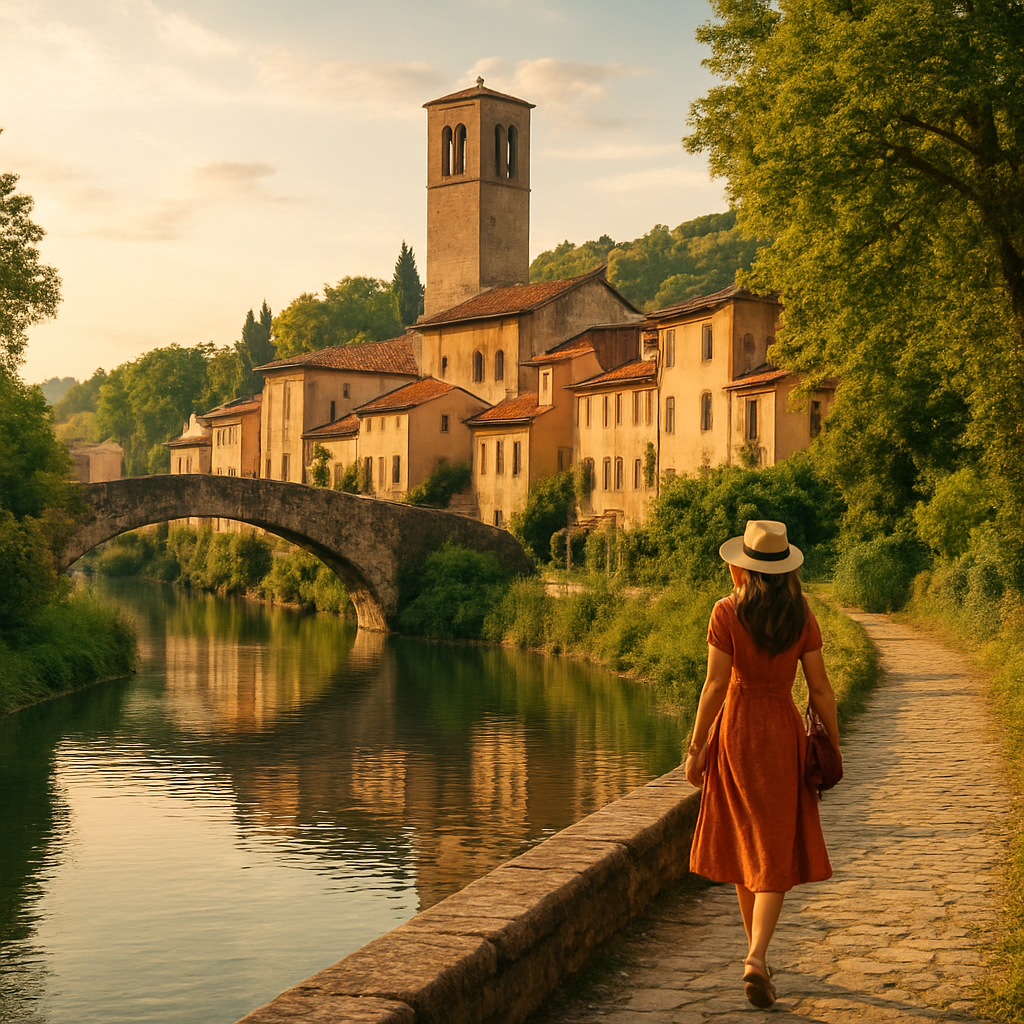
Top Destinations That Reward a Slow Pace: Cities and Regions to Unpack for a Week or More
If you want practical destination ideas and context, read this slow travel guide for inspiration before you pick a base. The table below lists 12 choices that match walkability, reliable transport, and scenic charm, with one-sentence bases to begin planning.
| Destination | Why It Fits Slow Travel | Ideal Stay Length | Best Access/Transport Option |
|---|---|---|---|
| Bruges, Belgium | Compact medieval core, canal walks, easy day trips by train, base in historic center near Markt | 4–7 days | Regional train from major hubs |
| Lisbon, Portugal | Walkable neighborhoods, trams for short hops, coastal villages nearby, base in Alfama or Chiado | 5–8 days | Short airport transfer, local trains to Sintra |
| Como Lake, Italy | Lakeside villages, ferry hops, relaxed pace, base in Como or Bellagio for village access | 6–10 days | Train to Como, ferries between towns |
| Kyoto, Japan | Concentrated temples, human-scale neighborhoods, easy regional rail to small towns, stay near Gion | 5–9 days | Shinkansen to Kyoto, regional trains to Nara |
| Reykjavik, Iceland | Small capital, calm pace, reliable car day trips, base in central Reykjavik for short walks | 4–7 days | Short airport transfer, rental car for ring road segments |
| Annecy, France | Lakeside old town, bike and walk culture, short transfers to alpine villages, stay by the canal | 5–8 days | Train to nearby cities, bus or car local transfers |
| San Sebastián, Spain | Compact beach city, concentrated dining, coastal trails, base in Old Town or Gros | 4–7 days | Short regional train, easy airport transfers |
| Edinburgh, Scotland | Compact Old Town and New Town, short hikes, trains to Highlands, stay on Royal Mile or Stockbridge | 5–8 days | Direct train links, short airport transfer |
| Salzburg, Austria | Walkable baroque center, nearby lakes and villages, base near Mirabell for easiest access | 4–7 days | Train connections, short bus routes |
| Vancouver Island, Canada | Small towns and ferry routes, slow coastal rhythm, stay in Victoria or Tofino depending on vibe | 6–12 days | Ferry from mainland, short flights available |
| Cotswolds, England | Village hopping, short car or train transfers, stay in a market town like Stow-on-the-Wold | 6–10 days | Train to nearby hub, local bus or rental car |
| Lake District, England | Compact towns with walking routes, ferry or boat outings, base in Ambleside or Keswick | 5–9 days | Train to Windermere, local buses |
Best Compact Cities for Walkable Weeklong Stays and Slow Exploration
Choosing a walkable city makes daily life easy, and small rhythms replace frantic checklists. Book where you can walk to groceries, laundromats, and coworking spaces, and you will spend less time commuting and more time exploring at human speed. Below are compact cities that reward slow exploration, with exact neighborhood suggestions to minimize friction.
| City | Walkable Area Highlights | Neighborhood To Stay | Top Slow Activities |
|---|---|---|---|
| Florence, Italy | Historic center within walking distance of museums and markets | Oltrarno near artisan workshops | Morning market walk, afternoon gelato by the river |
| Strasbourg, France | Petite France, compact canals and pedestrian streets | Near La Petite France | Canal walks, slow riverside cafes |
| Ghent, Belgium | Canal ring and university quarter, concentrated sights | Center by Graslei | Evening light walk, local markets |
| Porto, Portugal | Riverside Ribeira, short tram rides, concentrated tasting spots | Ribeira or Cedofeita | Port cellars, river promenade strolls |
| Cusco, Peru | Compact historic core ideal for slow acclimatization | Near Plaza de Armas | Market mornings, gentle cultural museums |
| Valencia, Spain | Old Town and Turia Park, bike-friendly streets | Ruzafa neighborhood | Park picnics, slow café culture |
| Hiroshima, Japan | Compact center with island ferries nearby | Naka ward near Peace Park | Island ferry afternoons, river walks |
| Gdańsk, Poland | Pedestrian waterfront and historic lanes | Old Town by Motława river | Market days, amber workshops |
Scenic Regions Built for Slow Travel: Road Trips, Train Routes and Village Hopping
Regions designed for slow movement reward patience and small discoveries, and choosing the right transport style keeps days calm. Pick a regional train line, a ferry route, or a gentle car loop, and you will enjoy unhurried scenery between compact hubs. The table below lists regions with recommended base towns and signature slow activities.
| Region | Best Slow Transport | Base Towns | Signature Slow Activities |
|---|---|---|---|
| Tuscany, Italy | Rental car for village hopping | Siena, Lucca | Vineyard afternoons, market mornings |
| Scottish Highlands | Regional train and short drives | Fort William, Inverness | Coastal walks, loch-side rest stops |
| Noto Peninsula, Japan | Local trains and rented bike | Wajima, Suzu | Coastal trails, craft markets |
| Norwegian Fjords | Ferries and scenic trains | Flåm, Bergen | Fjord cruises, village visits |
| Provence, France | Train to regional hubs, rental car for villages | Avignon, Aix-en-Provence | Market days, vineyard lunches |
| Vermont Green Mountains, USA | Car routes and local buses | Stowe, Brattleboro | Farm stands, long forest walks |
Reliable Transport That Encourages Slower Travel, Trains, Ferries and Low-Stress Transfers
Good transport reduces anxiety and invites you to slow down, rather than rush from one sight to the next. Favor frequent regional trains, short ferry hops, and airports with quick transfers, and you will get less planning friction and more relaxed travel days. Simple booking rules further reduce hurry and make mid-day travel pleasurable.
Key services and tips include:
- Use regional rail corridors where trains run often and stations are central, for predictable schedules and short waits.
- Choose point-to-point ferries for coastal regions, to replace driving with scenic, restful movement.
- Buy flexible tickets or passes that allow changes, to avoid rushed connections and penalties.
- Use apps and offline maps, and consider luggage transfer services to move bags between bases without a tight timetable.
Designing No-Rush Itineraries: Templates for 3, 5 and 10+ Day Slow Stays
Structure beats randomness when you are learning to enjoy empty time, and simple templates make free days feel intentional. Plan one big activity per day, leave buffers around travel, and include at least one pure rest day for every week, so your trip stays gentle and emotionally replenishing. The table below offers three ready templates you can adapt for solo travelers, couples, and families.
| Trip Length | Sample Daily Structure | Example Destinations | Buffer/Free Days |
|---|---|---|---|
| 3-Day | Morning market, relaxed museum visit, evening stroll and dinner | Bruges, Ghent | One half-day open slot |
| 5-Day | Day trip midweek, two light activity days, one rest day | Kyoto, Lisbon | One full rest day |
| 10+ Day | Base with alternating day trips and deep local days, include mid-trip slow day | Tuscany, Norwegian fjords | Two rest days plus flexible travel buffer |
Choosing Accommodation That Supports Long, Relaxed Stays, Comfort, Kitchen and Community
Your lodging can make or break a slow trip, and the right features help you stay longer without friction. Prioritize a kitchen, laundry, and a quiet street, and you will enjoy daily routines that feel like home, which supports slower rhythms and fewer rushed meals out. Below are practical tradeoffs and booking tactics for weekly or monthly stays.
These choices help match comfort to pace:
- Book short-term rentals for kitchens, and negotiate weekly rates when staying more than a week.
- Choose neighborhood blocks with grocery stores and laundromats, to minimize daily trips.
- Pick hotels or guesthouses with flexible check-in and optional cleaning, if you want services without long leases.
- Ask hosts about quiet hours and coworking proximity, when blending work and vacation.
Packing, Tech and Habits to Avoid Rushing, Practical Gear and Mindset Tips
Packing light and setting digital boundaries reduce the urge to over-schedule, and small habits create calm. Take a capsule wardrobe, comfortable shoes, and a reliable daypack, and you will experience less decision fatigue and easier movement between bases. Combine gear with tech and daily rituals to keep pace slow and intentional.
Key tactics include:
- Pack for laundry cycles every 5–7 days, and plan to buy bulky items locally to lighten luggage.
- Use local SIM or eSIM and offline maps, plus calendar slots labeled “buffer” to prevent overscheduling.
- Adopt device-free mornings and a single major activity per day, to make free hours feel purposeful.
- Carry a small first-aid kit and travel insurance that allows flexible changes, to lower stress from unexpected issues.
Save Money Without Rushing
Staying longer usually lowers nightly cost, and with a few tactics you can save money while keeping a slow pace. Weekly rentals, regional passes, and shopping local markets all add up to noticeable per-night savings on longer trips. The table below lays out common areas to save and realistic examples.
| Area Of Spend | Slow-Travel Saving Tactic | Typical Savings Example |
|---|---|---|
| Accommodation | Weekly rental discounts and apartment rates | 10–30% off nightly rate on week stays. |
| Transport | Regional passes and off-peak travel | Multi-ride pass saves per-trip costs by 20% to 40%. |
| Food | Shop markets and cook some meals at home | Save on two meals per day compared to dining out. |
| Activities | Free walking tours and local festival attendance | Low-cost cultural days replace expensive guided tours. |
Real Traveler Examples and Mini Case Studies Showing How Not Rushing Changes the Trip
Case study one follows a couple who stayed ten days in a lake town and canceled a tight day tour in favor of a ferry loop, which led to unexpected village visits and local meals. Their choice to keep one free day each week resulted in more meaningful local contact and no missed flights or frantic transfers. This shows how built-in rest avoids the anxiety of tightly packed plans.
Case study two tells of a remote worker who split a two-week trip into base weeks with coworking nearby, and scheduled client calls in the mornings only. By booking a rental with laundry and kitchen, they avoided daily errands and discovered lively market days that became weekly rituals, which increased focus and enjoyment while working away from home.
One traveler mistake repeats often, and the fix is simple. People overbook early, and then scramble when plans change, which creates stress and wasted time. The remedy is to keep at least one “open day” per three days of travel, and to use buffers after any transfer, so that free time feels intentional instead of wasted.
Use the checklist below to start planning a no-rush trip today:
- Pick one base town with walkable essentials and book a week minimum.
- Plan one big activity per day and schedule rest days.
- Choose transport that minimizes transfers, and buy flexible tickets.
- Book lodging with kitchen and laundry, and pack for periodic washing.
Your next trip does not have to be a race, and small changes create a different kind of travel memory. Start by choosing a compact base, plan buffers, and book accommodation that supports routine, and you will experience slower days with richer rewards on the road. Take one step today, and let your travel tempo follow.

Luca is a travel photographer and luxury explorer who brings destinations to life through curated guides and stunning visuals.