
Finding the best small cities for a long weekend in Europe can help you make the most of a short trip without spending hours in transit or navigating overcrowded capitals. Compact, walkable destinations with convenient transport connections let you spend more time exploring museums, enjoying local food, and wandering charming streets instead of rushing between attractions.
Table of Contents
How to Pick Best Small City for a Long Weekend
Decide along four clear axes, travel time, walkability, transit links, and seasonal crowds, and score each city before you book. Use quick filters to remove time sinks, such as transfers longer than an hour or sights spread far apart. Avoid capitals when they mean long queues and heavy transport, because that usually wastes short-trip time. Filter by transfer time to keep more hours on the ground.
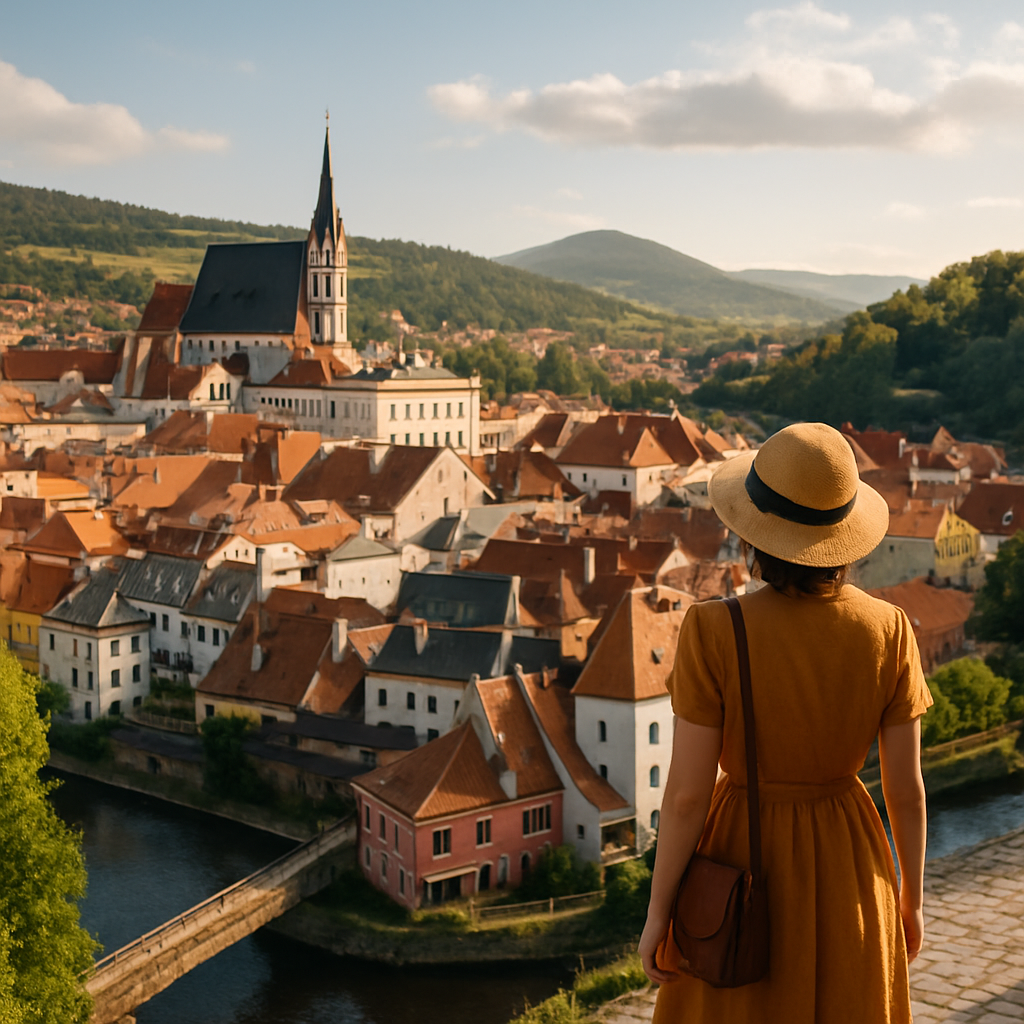
Apply fast checks to rule cities in or out, and build a one-page decision checklist you follow each time you browse. A clean checklist saves research and avoids surprises on arrival. Use apps to verify walk time and transit links in under five minutes. One-page checklist prevents last-minute regrets.
Use this small decision checklist to apply your quick filters:
| Filter | Why It Matters | How To Check Quickly (app/site) |
|---|---|---|
| Under 1-hour airport transfer | Maximizes time for exploring. | Check airport website or Google Maps travel time. |
| City center reachable on foot | Less time lost to transit between sights. | Use walkability score on mapping apps. |
| At least three quality food options within 20 minutes | Ensures quick, rich meal choices. | Look at local reviews and market listings. |
| Good regional rail or bus links | Enables day trips without long transfers. | Check national rail sites and timetables. |
Top Small European Cities for a Long Weekend
We selected cities with populations under roughly 300k, solid connections, strong food scenes, and compact centers that are easy to walk. Each city is chosen to give big returns in 48 to 72 hours, and to avoid the crush of major capitals. High-return cities let you see much without endless travel.
Below are quick summary cards and practical facts to help you decide at a glance, with typical walking times and nearest hubs. Pick a city by vibe, not by fame, and you will get quieter streets and faster lines. These picks beat nearby capitals when your schedule is tight, because you spend less time in transit and more time on experiences. Practical quick facts show walking times and local highlights.
| City | Country | Best Season | Time To Main Hub | Walkability Score | Top 3 Highlights |
|---|---|---|---|---|---|
| Bruges | Belgium | Shoulder season | 30-40 minutes from airport | Very high | Canals, historic center, chocolate market |
| Graz | Austria | Spring and autumn | 15 minutes from rail hub | High | Old town, arty districts, hill views |
| Porto | Portugal | Late spring | 20-30 minutes from airport | High | Riverside, wine cellars, tile churches |
| Rovinj | Croatia | Early autumn | 40-50 minutes from regional airport | High | Coastal old town, seafood, galleries |
| León | Spain | Shoulder season | 30 minutes from rail hub | Medium-high | Cathedral, tapas life, Roman walls |
| Perugia | Italy | Autumn | 20 minutes from train station | High | Chocolate, hilltop views, jazz scene |
6 Ready-Made 48–72 Hour Itineraries
Choose a vibe, and follow an hour-by-hour plan to get the most from limited time. Each itinerary lists flagship experiences, alternatives, and one short day trip that saves travel time. These plans work whether you arrive late or have a full first day. Ready-made itineraries remove decision fatigue and keep your days efficient.
Below are six compact itineraries to match different interests, each broken down by day and hour ranges so you can follow them easily:
- Historic vibe, city with compact core: morning cathedral visit, lunch at market, afternoon museum, evening local tavern meal
- Coastal charm: morning harbor walk, midday seafood lunch, afternoon beach or boat trip, sunset promenade
- Foodie weekend: market breakfast, cooking class midday, curated dinner at signature restaurant, casual late-night bar
- Art and design: gallery morning, design district stroll, afternoon small museum, rooftop cocktail bar
- Mountain escape: scenic cable or funicular, short hikes, hearty regional lunch, relaxed evening in town center
- Medieval town: fortified walls tour, artisan workshops, local pastry tasting, folk music or small theater show
Getting There and Getting Around Fast
Decide if a short flight plus transfer or a regional rail route gives you more usable hours. For many short trips, door-to-door time matters more than advertised flight length. Trains often deliver downtown arrival and reduce transfers, while small airports can add taxi time. Compare door-to-door travel time to see which option wins.
Use this quick comparison when weighing plane versus train or bus for short breaks:
| Mode | Typical Door-to-Door Time | Cost Range | Reliability Notes |
|---|---|---|---|
| Plane | 2.5–5 hours total for short hops | Low to mid | Fast on paper, add transfer time and security buffers |
| High-speed rail | 2–4 hours total, often downtown to downtown | Mid | Reliable and comfortable, less hassle than airports |
| Regional bus | 3–6 hours depending on stops | Low | Cheap but can be slower and less flexible |
Where to Stay: Neighborhoods and Lodging That Save You Time and Frustration
Pick a neighborhood that matches your priorities, central for walkability, or quieter with quick access to nightlife if you plan late evenings. Boutique hotels and small B&Bs work well for short stays because they are centrally located and service-focused. Aparthotels help if you want a simple kitchen for quick breakfasts. Neighborhood choice determines how many hours you waste on taxis.
Use this table to match neighborhood types to needs and budgets for quick decision making:
| Neighborhood | Why Stay Here | Typical Nightly Rate | Best For |
|---|---|---|---|
| Old Town | Steps from main sights and restaurants | Mid to high | Couples and first-timers |
| Arts Quarter | Local bars and galleries nearby | Mid | Solo travelers and culture seekers |
| Riverside | Scenic walks and relaxed dining | Mid to high | Foodies and photographers |
| Residential Edge | Quieter nights and lower rates | Low to mid | Families and budget travelers |
Eating and Drinking in a Long Weekend
Prioritize three meal experiences per day, market visit, a signature sit-down, and a casual local meal, to get the most culinary value. Plan one splurge and balance with casual meals so your budget stretches. Find quality food off the main tourist streets by asking market vendors or a local host. One market visit yields more authentic eating than a string of tourist restaurants.
These actions help you plan meals without wasting time or money:
- Visit one local market each morning to sample small dishes and snacks.
- Book one signature restaurant in advance for a reliable highlight.
- Choose a casual street or tavern meal for dinner to keep costs balanced.
- Ask a server for their non-tourist recommendations to avoid traps.
Avoiding Crowds and Tourist Traps on a Short Stay
Simple timing rules can cut queues and crowds, visit major sights at opening, swap midday for a quieter afternoon, and use late afternoon for photo-friendly light. Neighborhood museums and parks often match the vibe of a crowded landmark without lines. Recognize Instagram-first spots by long selfie queues and many identical photos, and choose a local cafe instead. Visit at opening to beat the busiest hours.
Use these alternatives to replace crowded routes and still get the same feel:
- Walk a neighboring promenade instead of the main riverside in peak hours.
- Choose a small local museum over the flagship gallery at midday.
- Dine where locals eat to avoid tourist markup and queues.
Budgeting and Booking Checklist for a 48–72 Hour City Break
Break down costs into transport, lodging, food, and attractions, and prioritize high-demand items to book early. City cards are worth it only if they match your must-see list, otherwise skip them and buy tickets per site. Use the table below to decide what to book in advance and where to save. Book transfers and one high-demand attraction to prevent lost hours on arrival.
| Expense Category | Typical Cost Range | Booking Priority |
|---|---|---|
| Transport (roundtrip) | Low to mid | High |
| Lodging (2 nights) | Mid | High |
| Food | Low to mid depending on splurges | Medium |
| Attractions/tours | Low to mid | High for flagship museums or dinners |
Practical Pre-Trip Checklist and Packing for Efficient Short Trips
Pack carry-on only with comfortable shoes, adaptable layers, daypack, and chargers to move faster and skip baggage waits. Download offline maps, timetables, and ticket PDFs so you can proceed without stalls. Carry basic health documents and know the nearest pharmacy on arrival. Carry-on packing saves time at arrival and departure.
Prepare these items and apps before you leave to make every hour count:
- Travel documents and ticket PDFs stored offline
- Maps and transit apps with offline options downloaded
- Comfortable walking shoes and weather-ready layers
- Portable charger and essential cables packed in your daypack
Responsible Travel Tips for Small-City Breaks
Support local economies by buying from markets, eating in independent cafes, and choosing small guided tours. Respect neighborhoods by keeping noise low at night and asking permission before photographing people. Choose walking and public transit to reduce impact and consider eco-certified lodging when possible. Support local businesses to keep money with the community you visit.
Plan with the travel-time-to-delight metric, check accessibility for mobility needs, and use micro-season windows to get a quieter experience. If you combine two nearby small cities, book one central stay and day-trip to the other to avoid constant packing. Use the checklists here to stop wasting hours on transport and lines, and start spending them on quiet streets, local food, and real culture. Choose smart and your long weekend will feel twice as long in memory.

Luca is a travel photographer and luxury explorer who brings destinations to life through curated guides and stunning visuals.