
Small cultural festivals worth traveling for can offer a more authentic way to experience local traditions, communities, and everyday life beyond the usual tourist attractions. Unlike large, crowded events, these intimate celebrations often provide closer connections to local culture while requiring thoughtful planning around logistics, etiquette, and responsible tourism.
Table of Contents
Why Small Cultural Festivals Offer More Authentic, Low-Crowd Experiences
Small cultural festivals are usually community-led, seasonal, and limited in attendance, and they differ from mass events in scale and purpose. For travelers this means you can expect direct interaction with hosts in village feasts, harvest rituals, artisan markets, and pilgrimage waypoints.
These settings let you join hands-on activities, listen to elders explain rites, and ask questions during a shared meal, rather than watch from a barrier. Emotionally, you should prepare for warm hospitality, unpredictable timing, and traditions that may not conform to your camera-ready expectations.
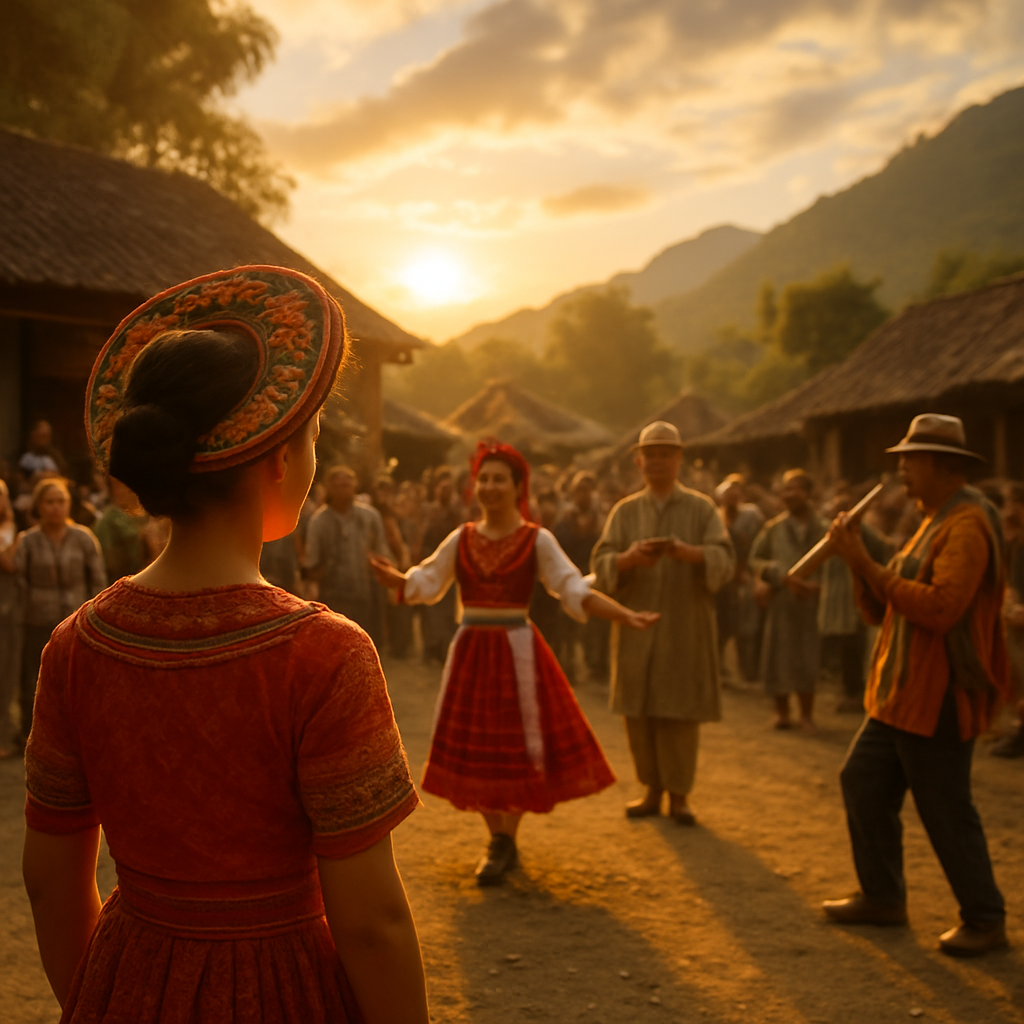
Logistics at these festivals are informal, often organized by committees that balance routine life with celebration, which can be comforting and confusing at once. Practical benefits include smaller crowds, more chances to participate, and richer storytelling opportunities with local artisans or ritual leaders, if you approach respectfully. Expect sudden schedule shifts that follow lunar cycles or harvest cues, and plan buffers into transportation and lodging to absorb those changes. With a little flexibility, deeper cultural exchange becomes the reward.
How to Choose Offbeat Festivals That Match Your Interests and Travel Style
Start by filtering festivals by your top interest, whether food, ritual, craft, music, or agricultural cycle, so you land where your curiosity meets local practice. Consider access issues, such as language barriers, last-mile transport, and physical demands of the setting, and weigh them against what you want to experience. Look for signals that an event is community-run, not operator-driven, to avoid commercial traps and to ensure meaningful participation. The right match keeps your trip joyful and ethical.
Use this checklist to judge fit and risk before you commit:
- Filter by interest, such as food, music, ritual, craft, or agricultural cycle.
- Assess accessibility, including language, transport, accommodation, and fitness level needed.
- Check community openness, crowd estimates, seasonality, and weather windows.
- Look for authenticity signals, like local press mentions, NGO listings, and absence of major tour operators.
10 Hidden Gems: Small Festivals With Rich Local Traditions to Consider
Below is a quick comparison of intimate festivals that reward travelers who want hands-on traditions rather than crowds, and the list highlights when to visit, what to expect, and the food to try. Each entry steers you toward community participation, whether that means joining a dance, helping in a shared meal, or learning a craft at a family stall.
For context on why festivals matter as living culture, see UNESCO on intangible cultural heritage, which explains the role these small events play in passing practices between generations. Bring curiosity, and leave transactional expectations behind to enjoy authentic local rituals.
| Festival | Country/Region | Month | Crowd Size | Standout Experience |
|---|---|---|---|---|
| Olive Harvest Feast | Rural Andalusia | November | Hundreds | Family-press olive tasting |
| Rice Planting Ritual | River Plain, Southeast Asia | June | Small community | Field blessings and shared lunches |
| Lakeside Boat Blessing | Alpine Valley | August | Small | Boat procession and folk songs |
| Shepherds’ Spring Market | Highlands | May | Few hundred | Raw whey cheese tasting |
| Coastal Patronal Feast | Mediterranean Coast | July | Local | Nighttime lantern procession |
| Weavers’ Night Fair | Interior Plateau | September | Small | Communal loom demonstrations |
| Harvest Drum Circle | Tropical Highlands | March | Local | Participatory drum rituals |
| Potters’ Pilgrimage | River Town | April | Small | Kiln firing with families |
| Fisherfolk Market Day | Island Village | October | Small | Shared nets and coastal stews |
| Lantern Labyrinth | Mountain Hamlet | December | Local | Night walk and storytelling |
Each festival in the table has unique participation paths, such as dancing, shared meals, volunteer shifts, or artisan workshops, and many welcome short-term help. Respect local rules like modest dress, gendered spaces, or photography limits, and ask before joining sensitive rites to show cultural respect. These small gestures keep doors open and preserve trust between visitors and hosts.
Eating Like Local: Regional Food Experiences at Small Festivals
Food is a clear entry point into community life at small festivals, and offerings range from communal feasts to pop-up artisan stalls and ritual foods served only at certain moments. To enjoy these safely, carry basic allergy cards in the local language and choose well-cooked items when hygiene is uncertain, while still sampling special dishes that tell a story. When someone invites you to sit, accept or decline politely, and remember that some meals are ritual, not casual, so follow cues. Small steps like tasting and asking about recipes open conversations and deliver memorable food stories.
Try to connect with cooks and producers, and you might leave with a recipe or a new understanding of local ingredients and seasonality. Ask about the source of produce, and offer a small purchase or donation when appropriate, because direct economic support matters to small-scale vendors. If you cannot join a communal meal, buy a portion to share with others, which shows solidarity and curiosity. These actions help you enjoy food safely while strengthening local livelihoods.
How to Participate Respectfully: Cultural Etiquette and Community Participation Tips
Always ask permission before photographing people or entering private spaces, and use a local greeting to open the interaction, as this signals respect before any request. Learn simple phrases and gestures, and bring a small gift for hosts, such as sweets or something from your own region, unless a boycott is requested. Watch elders and ritual leaders for cues about where visitors belong and when to step back, and follow dress codes carefully to avoid offense. These habits make you a welcomed guest rather than an intrusive spectator, and they demonstrate thoughtful participation.
If you are invited into a ritual, clarify any restrictions in advance, for example whether certain actions are gendered or whether photography is banned for religious reasons. Avoid touching sacred objects, and never assume your presence is required in every space. When in doubt, ask a local guide or host and accept guidance with humility, which protects the ritual from accidental harm. Respectful behavior helps traditions continue without becoming tourist spectacles.
Planning Trip Around Small Festival: Logistics, Timing, and Budgeting
Festivals that follow agricultural or lunar cues can shift dates by a day or two, so add contingency days and build flexible travel buffers into your schedule to avoid missed events. Choose accommodations like homestays, community guesthouses, or short-term rentals to stay close to life and support local incomes, and consider volunteer stays for longer immersion if hosts welcome that model. For remote venues, plan last-mile transport options, such as local buses, shared taxis, or hiring a driver who knows the roads. A small investment in planning yields peace of mind on arrival.
| Item | 3-Day Sample Plan | Estimated Cost |
|---|---|---|
| Transport | Train to hub, shared taxi to village | Moderate |
| Lodging | Homestay or guesthouse, two nights | Low to moderate |
| Food | Communal meals and market snacks | Low |
| Activities | Festival participation, local guide | Small fee or donation |
| Contingency | Emergency transport, unexpected stays | Set aside for safety |
Avoiding Tourist Traps: How to Identify Truly Small, Local Celebrations
Look for red flags like branded stalls, heavy ticketing, or paid stage acts that are disconnected from local practice, which often signal commercialization. Cross check local news, community pages, and academic or NGO mentions to verify authenticity, and watch social media for staged influencer content rather than organic community posts. Contact local guesthouse hosts, municipal offices, or cultural centers to confirm whether the event remains community controlled, which protects the festival’s integrity. These checks help you choose celebrations that reward respectful visitors with genuine exchange.
Practical steps to confirm authenticity include calling hosts, reading regional press, and asking whether organizers are local committees or external promoters. If you spot professional souvenir booths replacing family stalls, reconsider your plan to avoid fueling unwanted commercialization. Always ask whether donations support community needs, and prefer direct purchases from artisans over branded merchandise. This approach limits your footprint and amplifies local benefits.
Responsible Travel Checklist: How to Support Communities and Protect Traditions
Support communities directly by buying from artisans, hiring local guides, and eating at community-run stalls, and avoid single-use plastics and other disruptive behaviors that strain small festivals. When considering volunteer options, choose short-term tasks backed by local organizations rather than open-ended volunteer tourism that can create dependency. Measure impact by keeping records of purchases and connections, and by following up after your visit to sustain relationships. Thoughtful choices yield positive economic ripple effects without accelerating commercialization.
| Do | Don’t | Why |
|---|---|---|
| Buy from local artisans | Buy mass-produced branded goods. | Direct money stays in community. |
| Ask permission for photos | Post people without consent. | Protects privacy and dignity. |
| Follow ritual rules | Join restricted rites uninvited. | Respects belief systems. |
| Give small, useful gifts | Donate items that cause harm. | Avoids dependency and waste. |
Resources and Tools to Find Reliable Information on Small Cultural Festivals
Good sources include local cultural centers, municipal festival calendars, university ethnographic projects, and NGO pages that document living traditions, which are more reliable than broad travel platforms.
Use community Facebook groups, regional newsletters, and local language radio for last-minute updates and micro-windows tied to seasons and harvest cues. Reach out to homestay hosts, local guides, or expat community contacts for on-the-ground confirmation and logistical tips. For research on festivals and their wider effects, see this study on economic impact of arts and festivals to understand how your visit can help.
When you write to hosts or organizers, use a simple template asking about dates, participation rules, accessibility, and ideal length of stay, and close by thanking them for local time. Keep messages concise and specific, and mention any skills or dietary needs to ease planning. These small efforts increase trust and set clear expectations, which makes the festival experience smoother and more rewarding for everyone. Clear outreach creates mutual understanding before you travel.
Sample Mini-Itineraries: 3- to 5-Day Trips Built Around Small Festivals
Below are three compact templates you can adapt for rural harvest festivals, coastal patronal feasts, and mountain pilgrimage rituals, each designed to balance immersion with rest. Each plan includes timing, key activities, and one local connection strategy to deepen your exchange. Pack practical items, including modest clothing, small gifts, and a basic first aid kit, and remember to leave open time to accept invitations and unexpected hospitality. Well-paced itineraries lead to deeper cultural connections.
| Itinerary | Day 1 | Day 2 | Day 3 |
|---|---|---|---|
| Rural Harvest Festival | Arrive, meet host, village walk. | Join harvest work, evening feast. | Craft workshop, depart after brunch. |
| Coastal Patronal Feast | Arrive, visit fish market. | Procession and community dinner. | Boat blessing, local cook exchange. |
| Mountain Ritual Pilgrimage | Arrive, acclimatize, meet elders. | Pilgrimage segment, shared altar rites. | Story circle, rest, return. |
Small festivals reward travelers who arrive with respect, patience, and curiosity, and they offer a chance to witness living culture beyond snapshots and stages. Prepare for strong sensory impressions, shifting schedules, and rules you must follow, and plan to give back through purchases, time, or continued relationships. With flexible planning and responsible behavior, you will leave with stories, recipes, and friendships that matter, and with the knowledge that your visit supported preservation rather than commercialization, which is the true value of intimate cultural travel.

Luca is a travel photographer and luxury explorer who brings destinations to life through curated guides and stunning visuals.