A packed itinerary can leave you exhausted, especially when you’re trying to visit every famous attraction on the list. If you’re wondering how to plan a trip with fewer tourist attractions, the key is to focus on quality experiences rather than checking off as many sights as possible. Slow travel allows you to spend more time in each place, discover local neighborhoods, and leave room for spontaneous moments without constantly watching the clock.
Table of Contents
Why Planning Around Neighborhoods and Parks Gives You a Richer Trip
Neighborhood-led travel removes the rush, and that creates space for conversation and small discoveries that landmarks rarely provide. When you spend time in one area, you notice daily patterns like morning market rhythms, lunchtime queues, and evening plaza life. Slower days often produce better memories, and they lower travel stress through fewer transit connections and less scheduling anxiety. If you fear missing out, remember that skipping one landmark can open the door to an authentic moment you will remember longer than a queue photo.
Set Clear Intentions: How to Decide What You Want From This Trip
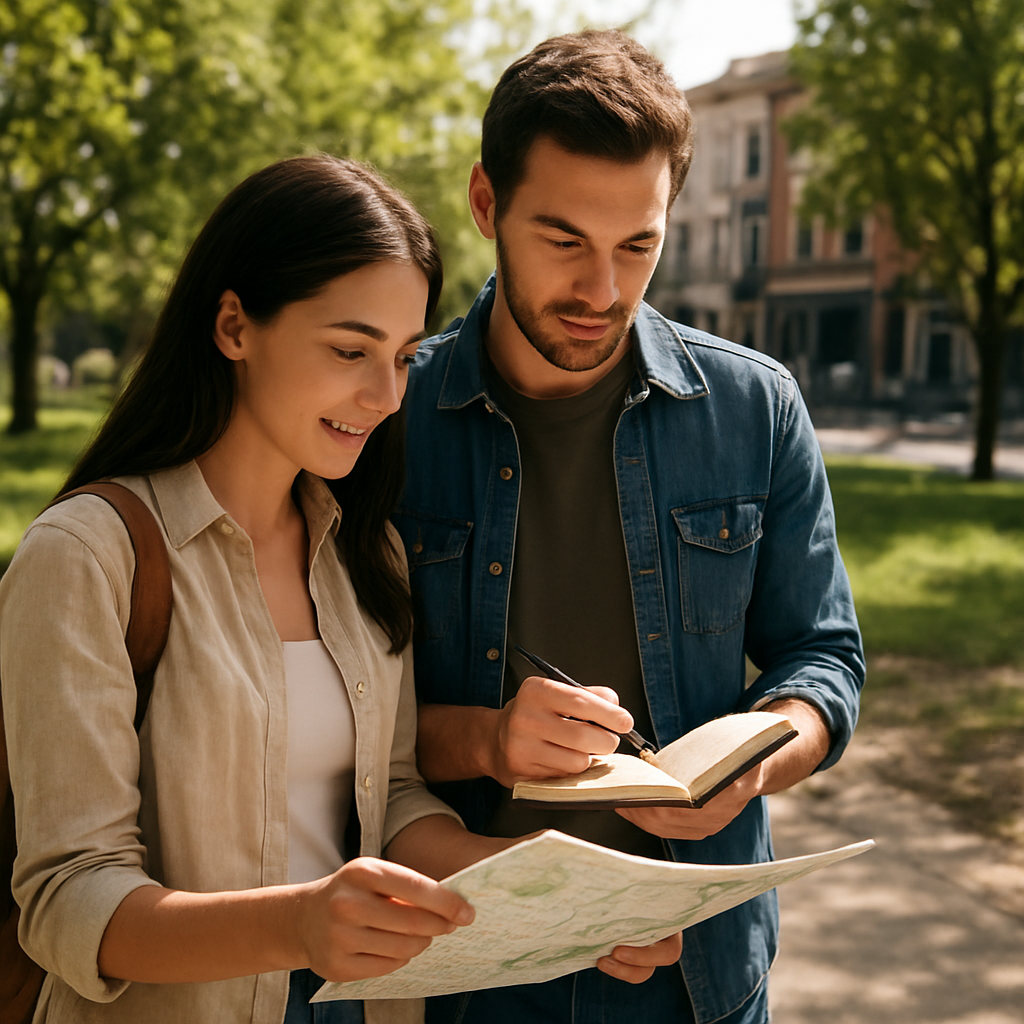
Start by answering simple questions about what you need from this trip, so decisions become easier and faster. Use this checklist to set priorities, and rank what matters most to you daily: rest, food, culture, or making friends. These example intention sets help translate priorities into plans for different travelers, and they stop companions from pulling you toward every famous sight. To make these choices concrete, pick three non-tourist targets before you go, such as a neighborhood, a park, and a café, and treat them as your anchors.
These practical priority questions help you choose targets quickly:
- Do I want time to rest for most mornings, or to explore actively?
- Is food exploration a main goal, or is quiet local life more important?
- Do I want to meet people, or travel solo and observe quietly?
Research Local Life Efficiently: Find Markets, Independent Shops, and Parks
You do not need endless blogs to find good spots, you need efficient sources and a quick vetting method. Start with local Facebook groups, neighborhood subreddits, municipal event pages, and farmers market calendars, and extract a short list of reliable leads. When you look at maps, scan for plazas, green spaces, and pedestrian streets to judge walkability and public life, and mark these as potential anchors. For independent businesses, check recent photos and local review patterns to spot community-used spots rather than tourist traps.
| Source | What To Look For | Verification Tip |
|---|---|---|
| Local Facebook groups | Event posts, neighborhood tips, vendor shout-outs | Check dates on posts, and confirm with two recent comments |
| Neighborhood subreddits | Maps of favorite cafes, hidden market times | Prioritize mentions repeated by different users |
| Municipal event pages | Official markets, concerts, park events | Look for official scheduling and contact emails |
| Farmers market calendars | Market days, specialty vendors, peak hours | Match vendor lists to social posts for authenticity |
Design Flexible Daily Template for Slow Travel and Spontaneous Exploration
A simple daily template keeps the day coherent, without turning it into a rigid list. Try this time-block layout: morning routine, mid-day exploration, long relaxed afternoon, and an evening community slot, and adjust to local light and energy. Plan one anchor activity and two optional micro-activities so you can still find flow while leaving room for surprise. These rules for flexibility include leaving two open hours every day, and grouping activities by neighborhood to cut transit time and open more chances for detours.
Use micro-routines to start each day reliably, for example, coffee, a short walk, and a map check, and this anchors you while staying free. Repeating the same café or market across days often builds small relationships, and those repeated visits produce serendipitous connections with vendors and neighbors. When you combine errands with discovery, a market becomes breakfast, people watching, and shopping all at once.
Spot And Book Cultural Activities That Feel Local
Finding small cultural events is about looking where locals post, not where tourists are directed. Check municipal calendars and community center boards, and peek at bulletin boards in cafes for workshops and concerts.
Choose low-commitment options like pay-what-you-can classes, drop-in workshops, and short local-led walks to keep your days adaptable. Ask practical questions when booking about language, group size, and cancellation policy, to avoid surprises, and prioritize activities that promise direct interaction with neighborhood life.
Practical Logistics: Budgeting, Transport, and Time-Blocking for Low-Attraction Trips
When you skip entrance fees, redirect money to experiences and independent businesses, and this often improves satisfaction for less cost. A good budgeting rule sets aside funds for one paid experience every few days, while relying on market meals and picnics for other meals, and this yields higher experience value. For transport, choose one base neighborhood and learn a few short transit routes, and use walking as your main discovery method. Time-blocking protects afternoons for unplanned exploration and rest, and that leaves room for weather changes or spontaneous invitations.
Safety and Respect: How to Interact With Neighbors and Avoid Tourist Pitfalls
Wandering neighborhoods and markets is rewarding, and it also requires practical safety habits like daylight exploration, phone backups, and blending in with local dress. Learn basic cultural etiquette for dress, noise, photography, and bargaining norms, and this reduces friction while making locals more welcoming. Read cues before engaging with vendors or residents, and ask permission when in doubt, which shows respect and often leads to better interactions. If an area feels uncertain at night, swap spontaneity for structure and join a small guided activity, which is a sign to prioritize personal safety.
For broader context on tourism pressures and why local-focused trips help, consider the overtourism background, and how visitors can influence neighborhood life. This perspective helps you make mindful choices that benefit both your trip and the places you visit.
Tools, Apps, and Planning Checklist to Keep Trip Flexible and Local-Focused
Use offline maps, neighborhood event feeds, local blogs, and messaging apps to stay connected without losing flexibility. Prepare a printable checklist covering research, market-day packing, and flexibility triggers, and keep a simple daily planning template on your phone. These tools make it easy to pivot for weather, mood, or new recommendations, and they lower planning friction so you can enjoy spontaneous discovery. The checklist should include basic safety items, a refillable water bottle, market cash, and a small notebook for vendor details.
These app and tool suggestions cover common needs:
- Offline maps app for walkable navigation and saved pins
- Local events feed for markets and neighborhood listings
- Messaging app to exchange quick plans with new contacts
- Simple notes app or paper notebook for daily observations
Capture and Remember: Journaling Prompts, Photo Ideas, and Ways to Track Small Discoveries
Slow trips are remembered by details, not checklists, and a few tools help you capture those details. Use short journaling prompts like who you met, a smell, and a sound to deepen memory, and keep entries to one paragraph so they stay doable. For photos, focus on doorways, shop counters, and market hands to document daily life rather than landmarks, and tag images in a dedicated folder for easy retrieval. Low-effort systems like voice notes, a hashtaged photo folder, and keeping a few receipts build a memory bank that measures trip satisfaction by moments, not by number of sights, and this produces a richer travel story.
Plan less to feel more. Neighborhood focus gives you rhythm, depth, and memory without the fatigue of running lists. Use the templates here, pick three local anchors before you go, and leave space every day for tiny surprises. Your best souvenir will be a story you did not expect to tell.

Luca is a travel photographer and luxury explorer who brings destinations to life through curated guides and stunning visuals.