
Finding the best cities for food and culture can transform an ordinary vacation into an unforgettable travel experience. Many travelers want to enjoy authentic local cuisine while exploring a destination’s history, traditions, and landmarks, but limited time often makes planning difficult. Choosing cities that combine exceptional food scenes with rich cultural attractions allows you to experience more in a single trip and create a travel itinerary that’s both meaningful and memorable.
Table of Contents
How to Pick Cities That Blend Culinary Experiences and Cultural Heritage
Choosing a city requires practical criteria that match short travel windows and deep experiences. Look for signature cuisine, an active food market, preserved cultural sites, living traditions and festivals, and easy access for visitors. Each criterion matters differently depending on trip goals, so weigh culinary variety and preserved heritage about equally for 2–4 day trips.
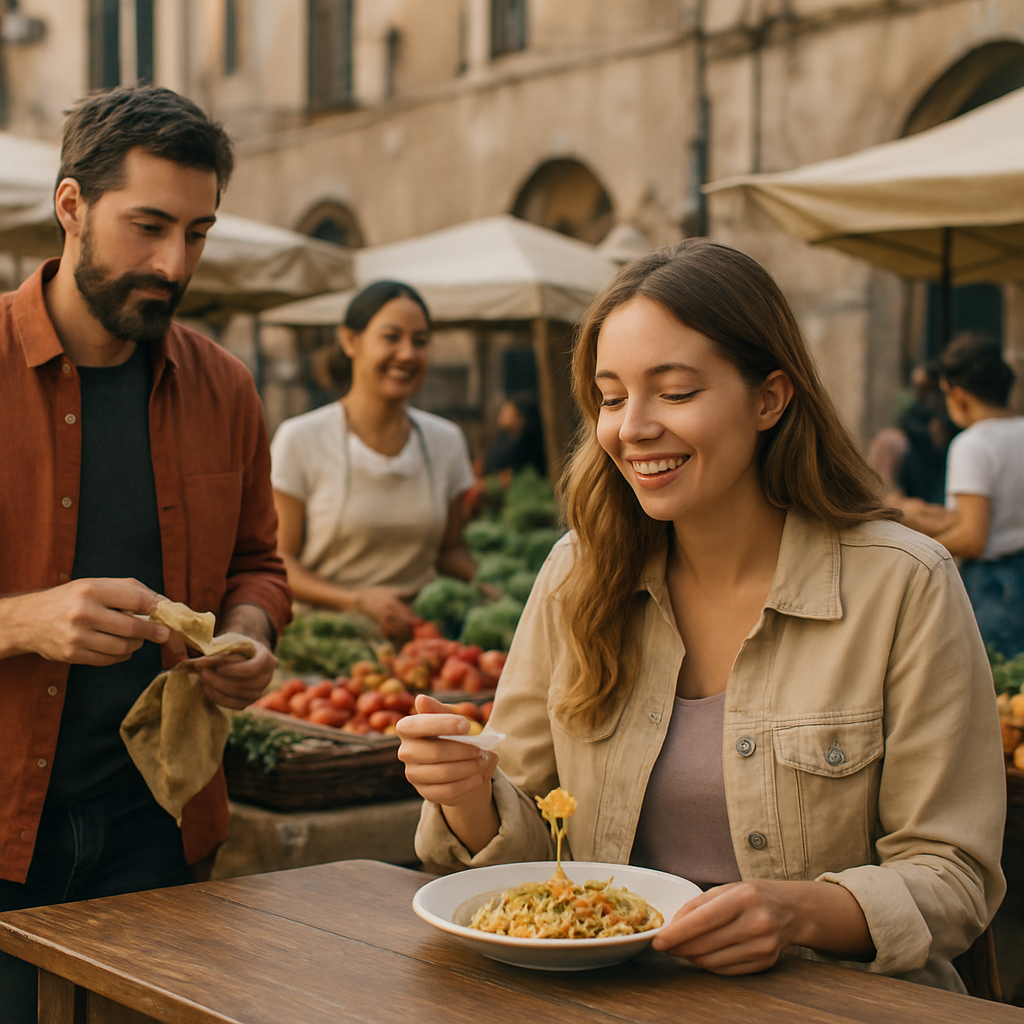
Below is a quick checklist readers can use before booking, to ensure a balance of food and culture:
- Daily food market or night market with high turnover and local vendors
- Major museum or UNESCO site within a short transit ride
- Active living traditions, such as festivals or craft rituals, during likely visit months
- Direct flights or simple rail links for efficient travel between cities
- Signature dish or regional ingredient is famous locally and accessible in casual settings
Seasonality shifts what you taste and what you see, so check festival calendars before booking. Timing a trip for harvest or festival can transform common dishes into regional highlights, and it changes lodging and ticket demand.
Top Cities Where Food Culture and History Come Together
These 12 cities were chosen for their clear overlap of culinary importance and cultural heritage, including UNESCO recognition and strong local food ecosystems. The list reflects geographic diversity, and it highlights immigrant influences and informal food economies that shape regional dishes.
| City | Signature Dish(es) | Cultural Site(s) | Best Neighborhood | Best Time To Visit |
|---|---|---|---|---|
| Paris | Roast poultry, pastry | Louvre, historic quartiers | Le Marais | Spring to fall |
| Tokyo | Sushi, tempura | Meiji Shrine, museums | Asakusa/Ameyayokocho | Spring for cherry season |
| Mexico City | Tacos al pastor | Templo Mayor, colonial center | Centro Histórico/Coyoacán | Dry season for markets |
| Istanbul | Kebabs, meze | Hagia Sophia, bazaars | Sultanahmet/Spice Bazaar | Spring and fall |
| Bologna | Tagliatelle, cured meats | Medieval center, porticoes | Quadrilatero market area | Autumn for truffles |
| Bangkok | Street curries, pad thai | Grand Palace, temples | Rattanakosin/Chinatown | Cool season ideal |
| Lisbon | Seafood, custard tarts | Belém, Alfama fado houses | Alfama/Bairro Alto | Spring or fall |
| Hanoi | Pho, street snacks | Old Quarter, temples | Hoan Kiem Old Quarter | Autumn for mild weather |
| Marrakesh | Tagine, street sweets | Medina, souks | Medina and Jemaa el-Fnaa | Spring or autumn evenings |
| New Orleans | Gumbo, po’boys | French Quarter, music venues | French Quarter/Bywater | Festival season for live music |
| Seoul | Korean barbecue, banchan | Palaces, museums | Insadong/Myeongdong | Autumn foliage |
| Barcelona | Tapas, seafood | Sagrada Familia, Gothic Quarter | El Born/La Boqueria | Late spring to early fall |
Quick City Guides: Eat, See, and Schedule 48–72 Hour Itineraries for Each Top City
Short time frames demand tight plans, that still leave room for serendipity and street discoveries. Each 48–72 hour plan below pairs one museum or site, one market or street-food zone, one neighborhood restaurant, and one evening cultural option. The table that follows is a snapshot you can adapt by budget or mobility needs, and it flags transit hubs and compact neighborhoods to stay in.
| City | Day 1 | Day 2 | Budget Swap Options |
|---|---|---|---|
| Paris | Morning market, midday museum, dinner bistro, evening walk | Food market tour, local bakery, Seine cruise or small concert | Lunch prix-fixe, boulangerie meals |
| Tokyo | Tsukiji market, shrine visit, sushi counter, evening izakaya crawl | Art museum, depachika food hall, rooftop night view | Conveyor sushi, street snacks |
| Mexico City | Local market, Museo Nacional, taquería, folklore show | Coyoacán markets, small museum, home-style cantina | Street tacos, market tortas |
| Istanbul | Spice Bazaar, Hagia Sophia, meyhane, evening ferry ride | Food tour in Kadıköy, city walls walk, local dessert stop | Street simit and çay |
| Bangkok | Morning market, Grand Palace, riverboat dinner, night market | Street-food crawl in Chinatown, small museum visit, rooftop bar | Food stalls, boat noodles |
| Lisbon | Mercado da Ribeira, Belém, seafood tavern, fado night | Alfama walking tour, tile museum, tram ride | Pastel de nata and petiscos |
| Hanoi | Old Quarter market, temple visit, pho stall, water puppet show | Museum stop, street snack loop, evening lake walk | Street vendors, local cafés |
| Marrakesh | Souk tour, Bahia Palace, riad dinner, Jemaa el-Fnaa night scene | Market stalls, artisan workshops, hammam visit | Local food stalls, tagine at family restaurants |
| New Orleans | French Market, museum, po’boy lunch, live jazz night | Garden District walk, Creole dinner, late music session | Po’boys and beignets |
| Seoul | Gwangjang market, palace tour, Korean barbecue, night markets | Art museum, cafe hopping, live music neighborhood | Street tteokbokki, pojangmacha stalls |
| Barcelona | La Boqueria, Gothic Quarter, tapas dinner, flamenco or music venue | Sagrada Familia, museum, seaside seafood, evening stroll | Tapas bars and market plates |
| Bologna | Quadrilatero market, medieval tour, trattoria meal, food hall visit | Food workshop, cured-meat tasting, small concert or piazza night | Osteria lunches, market snacks |
Neighborhoods and Food Scenes Worth Prioritizing for Authentic Culinary and Cultural Immersion
To get both food and culture within walking distance, prioritize neighborhoods where museums, markets, and eateries cluster. Look for historic centers, immigrant quarters, market districts, food halls, and night market streets as models of concentration. These neighborhood types often reveal hybrid food cultures created by immigrant and minority communities, which tell deeper stories about migration and adaptation.
Below are neighborhood types and examples to guide your choices:
- Historic Center, example: Paris Le Marais, Bologna Quadrilatero.
- Immigrant Quarters, example: Mexico City Tepito, London Brick Lane.
- Market Districts, example: Bangkok Chinatown, Istanbul Spice Bazaar.
- Food Halls, example: Lisbon Mercado da Ribeira, Tokyo depachika.
- Night Market Streets, example: Hanoi Old Quarter, Taipei Ningxia Night Market.
How to Plan Trip That Balances Culinary Tours, Museum Visits, and Free Exploration
Build an itinerary by choosing one main theme per day, then slotting high-demand experiences early. For example, book museum tickets and guided food tours in advance, and leave midday or late evening windows for roaming. Consider when guided tours add context, especially to street food, because local guides explain ingredients, origins, and etiquette.
These steps will help you structure balanced days:
- Pick a daily theme, such as markets, museums, or workshops.
- Book time-sensitive experiences first, like museum slots or cooking classes.
- Leave flexible food windows for market discoveries or pop-up stalls.
- Group sites by neighborhood to reduce transit time and fatigue.
Budget and Timing: When to Visit for Festivals, Harvest Specialties, and Affordable Eating
Seasonal peaks deliver unique ingredients, and off-peak travel lowers costs, so match timing to priorities. Festivals and harvests are excellent for authentic food experiences, but they raise prices and demand. Here is a practical season table mapping costs and food highlights, to help choose when to go.
| Season | Cost | Food Highlights |
|---|---|---|
| Spring | Moderate, festival pockets can be busy | Fresh produce, flower markets, early seafood |
| Summer | High in tourist hotspots | Outdoor markets, street food scenes, night festivals |
| Autumn | Moderate to low, great harvests | Root vegetables, game, wine and truffle events |
| Winter | Low except holiday peaks | Comfort food, preserved specialties, hearty stews |
Money-saving tactics include market meals, lunch prix-fixe, guesthouse breakfasts, and free museum days. Choose market stalls for lunch to eat affordably and watch local routines.
Dietary Needs, Safety, and Accessibility When Exploring Global Food Cultures
Communicating dietary restrictions is critical when trying street food and small restaurants. Use short scripts and translation apps to state allergies, and always check for ingredient cross-contact in busy stalls. For street-food safety, look for high turnover and visible cooking, which signal freshness and lower risk.
Here are practical tips and tools to keep everyone safe and included:
- Carry translated allergy scripts or apps to show to vendors.
- Choose stalls with high turnover and visible cooking areas.
- Check museums and major sites for wheelchair access and audio guides.
- For solo travelers, dine where there are other locals and use table seating over street curbside spots at night.
Sustainable and Ethical Food Tourism: How to Support Local Economies and Cultural Preservation
Responsible choices keep foodways alive. Prefer tours and restaurants that source locally and treat workers fairly, because your spending can preserve culinary heritage rather than commodify it. Avoid romanticizing poverty, and look for community-led food projects or cooperative stalls. Small actions like refusing single-use plastics and following vendor photo rules reduce negative impact and show respect.
Sample 7–10 Day Trip Combos: Pair Cities for Deeper Food and Cultural Narratives
Pairing nearby cities deepens context, by showing how trade, migration, and regional ingredients shape dishes. These three combos mix short travel times with contrasting food stories, and each includes one must-book experience to anchor the trip.
| Cities | Travel Time | Highlight Experience | Best Months |
|---|---|---|---|
| Lisbon + Seville | Short flight or train | Seafood market morning, flamenco or fado night | Spring to fall |
| Tokyo + Kyoto | Short train ride | Kaiseki dinner, temple food tasting | Cherry and autumn foliage seasons |
| Mexico City + Oaxaca | Short flight | Mole workshop, indigenous market tour | Dry season for markets |
Resources, Tools, and Trusted Operators for Booking Authentic Food and Cultural Experiences
Use curated apps and local operators that focus on community-first experiences, and vet tours by asking about local sourcing and vendor pay.
Below are actions to vet experiences and deepen preparation:
- Ask if tours hire local cooks and pay vendors fairly.
- Look for small group sizes and English-plus-local-language guides.
- Save map layers of markets and museums to your phone before you go.
- Read local food histories and watch short documentaries to add context before travel.
Start with one city from the comparison grid, pick two neighborhoods to focus on, and build a flexible 48–72 hour plan that combines a museum ticket, a market visit, and one evening performance. This method makes short trips feel complete, and it keeps food discovery tied to local culture and history.

Luca is a travel photographer and luxury explorer who brings destinations to life through curated guides and stunning visuals.