
Many travelers end up in the same famous capitals, only to face long queues, inflated prices, and experiences that feel rushed or overly curated. While these cities are popular for a reason, the real depth of travel often lies beyond them. Exploring best European cities to visit hidden gems in Europe can lead to richer food, calmer itineraries, and more authentic connections with local culture.
If you’re looking to move beyond the usual tourist paths, this guide will help you discover lesser-known destinations that offer character without the crowds. You’ll learn how to identify places that deliver real cultural value, quieter streets, and a more rewarding travel experience overall.
Table of Contents
Why Off-the-Beaten-Path Destinations Deliver More Authentic European Travel
Smaller places offer clear benefits, like fewer crowds, lower costs, and stronger local contact than major tourist hubs. Studies and statistics indicate that concentrated tourism changes atmospheres and pushes prices up, while hidden gems often remain affordable and welcoming.
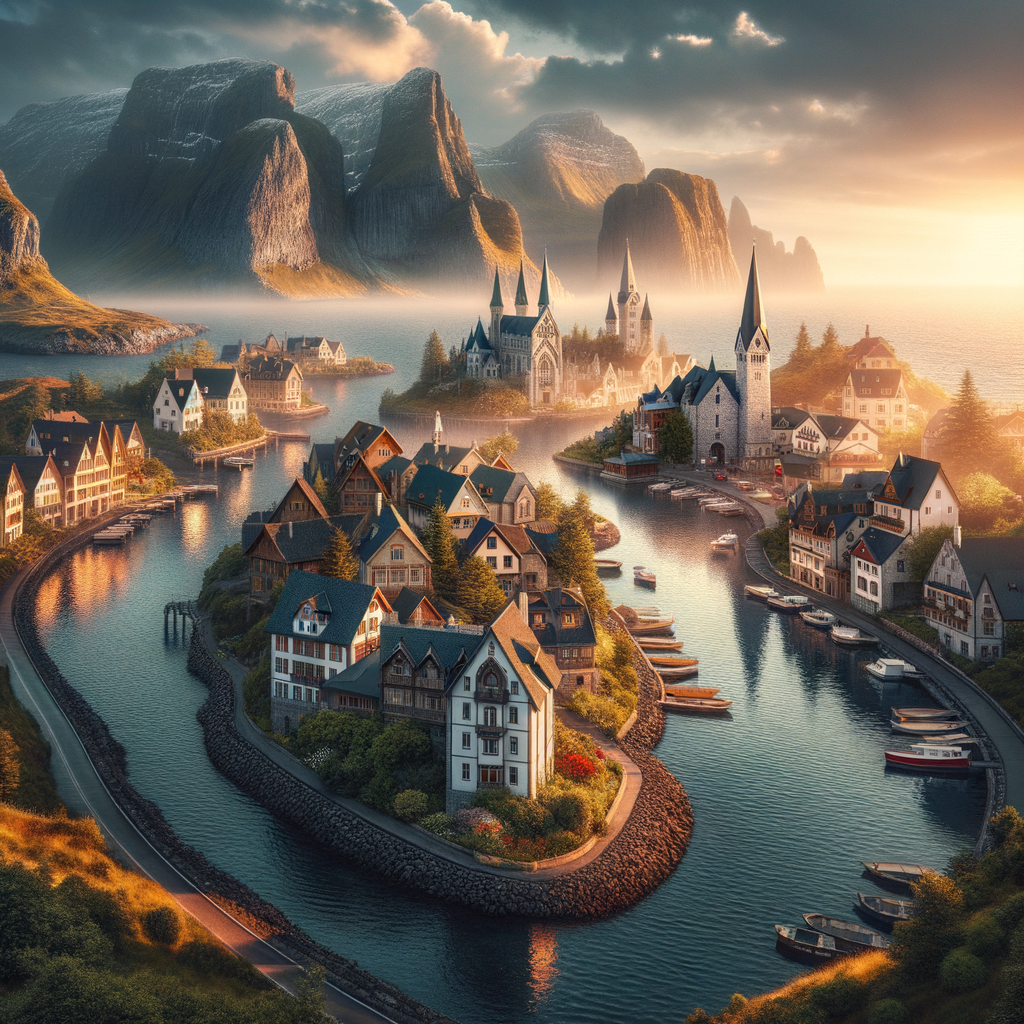
Hidden towns outperform big cities in culture, food, nature, festivals, and seasonal atmosphere, when you want slow, immersive trips rather than checklists. Local experiences such as family-run dinners and village markets give context you cannot get in crowded museums. However, expect different service rhythms, irregular opening hours, and fewer English signs, so plan with realistic expectations, and you will be rewarded.
How to Choose Underrated European Destinations That Match Your Travel Style
Choose places based on interest theme, accessibility, seasonality, and safety, so your trip fits your pace and needs. Interest-driven choice helps avoid disappointment, for example preferring islands for beaches, or historic valleys for slow cultural walks.
Use this quick decision flow to match style and destination, then run practical checks on health services, card acceptance, and transport frequency. Practical checks reduce the fear of being stranded, and a short pre-trip audit saves headaches later.
Use the table below to compare criteria, why they matter, and how to check them fast:
| Criteria | Why It Matters | How To Check Quickly |
|---|---|---|
| Interest Theme | Matches activities to your priorities, like hiking or food | Scan local tourism sites and social posts for attractions |
| Accessibility | Determines travel time and stress level | Check nearest airport and bus/train frequencies |
| Seasonality | Impacts weather, local festivals, and opening hours | Look for terms like “closed in winter” on local pages |
| Safety and Health | Ensures access to care and emergency services | Search local clinic names and pharmacy hours |
Top Hidden Gems in Europe: Curated List of Underrated Towns Islands and Regions
Below are mini-profiles that highlight season, top local experience, crowd level, transport hub, and who will enjoy each spot:
- Alberobello, Italy: Best months spring-fall, trulli architecture and family-run olive tastings, low crowds, nearest hub Bari, suits couples.
- Skopelos, Greece: Best months summer, pine-shaded bays and village tavernas, medium crowds in peak, nearest hub Skiathos ferry, suits beach lovers and slow travellers.
- Piran, Slovenia: Best months late spring, seafood markets and Venetian squares, low crowds except festivals, nearest hub Trieste, suits photographers and couples.
- Vis Island, Croatia: Best months summer, military history and small wineries, low-medium crowds, nearest hub Split ferry, suits sailors and foodies.
- Rothenburg ob der Tauber, Germany: Best months shoulder seasons, medieval streets and bakeries, low crowds outside holidays, nearest hub Nuremberg, suits families and history fans.
- Gubbio, Italy: Best months autumn, regional festivals and chestnut feasts, low crowds, nearest hub Perugia, suits festival seekers and slow travellers.
- Comporta, Portugal: Best months summer, quiet beaches and rice fields, low crowds, nearest hub Lisbon, suits beach lovers and creatives.
- Maramures, Romania: Best months summer, wooden churches and living folk crafts, very low crowds, nearest hub Cluj, suits cultural explorers.
- Skye Outer Isles, Scotland: Best months summer, dramatic hikes and croft lunches, low crowds, nearest hub Inverness, suits hikers and photographers.
- Korčula Town, Croatia: Best months summer, family-run konobas and walkable old town, medium crowds, nearest hub Dubrovnik via ferry, suits couples and food lovers.
- Åland Islands, Finland: Best months summer, bicycle routes and island cafes, very low crowds, nearest hub Stockholm ferry, suits cyclists and nature lovers.
- Frigiliana, Spain: Best months spring-fall, whitewashed alleys and tapas bars, low crowds, nearest hub Malaga, suits day-trippers and photographers.
- Matera, Italy: Best months spring, cave dwellings and cave restaurants, medium crowds, nearest hub Bari, suits history lovers and film fans.
- Mostar Hinterland, Bosnia: Best months spring-fall, rural villages and river gorges, very low crowds, nearest hub Mostar, suits adventurous couples and solo travellers.
Fast-Compare Table: Best Time Visit Budget Crowd Level Nearest Hub
This compact table helps pick destinations by months, budget, crowd index, and travel time from the nearest international airport. Quick comparison puts choices side by side so you can match mood and money.
| Destination | Best Months | Daily Budget Range | Crowd Index | Nearest Hub | Icons |
|---|---|---|---|---|---|
| Alberobello | Spring-Fall | €70-€130 | Low | Bari 1-2 hours | Family-friendly, Food |
| Skopelos | Summer | €80-€150 | Medium | Skiathos ferry 1 hour | Beach, Accessible by ferry |
| Maramures | Summer | €40-€90 | Very Low | Cluj 2-3 hours | Hiking, Rural |
| Comporta | Summer | €60-€140 | Low | Lisbon 1-2 hours | Beach, Food |
Budget ranges and crowd index are conservative estimates based on average accommodation and local seasonality, and on public data such as European tourism statistics (Eurostat). Assumptions explained help you trust the table, and shoulder months often give the best mix of good weather and low crowds.
Sample 7- and 14-Day Itineraries That Combine Hidden Gems for Relaxed Authentic Trips
Here are two slow-paced itineraries that link nearby gems. Travel times are realistic, and each day includes restful hours to soak in markets or cafes.
| Day | 7-Day Route | 14-Day Route |
|---|---|---|
| Day 1 | Arrive Bari, transfer to Alberobello, evening stroll. | Arrive Lisbon, overnight, short walk Alfama. |
| Day 2 | Village tour, olive farm lunch, slow evening. | Drive Comporta, beach time, seafood dinner. |
| Day 3 | Day trip to Matera, cave dinner. | Ferry to Troia, boat to small islands, relax. |
| Day 4 | Return Bari, train to Piran for coastal walk. | Fly to Split, ferry to Vis Island, wine tasting. |
| Day 5 | Piran markets, seafood lunch, quiet evening. | Easy day on Vis, village konoba, short hike. |
| Day 6 | Road to small interior town, craft market. | Ferry to Korčula, town exploration, local music night. |
| Day 7 | Return to hub, depart. | Drive to Dubrovnik hinterland, slow village stay. |
Transport notes: use regional ferries between islands, short trains for coastal hops, and rented cars for inland villages. Slow travel focus means no more than two major moves per trip and built-in rest days.
Smart Logistics: How to Reach and Move Between Lesser-Known European Spots
Smart booking and local transfers make hidden gems accessible without stress. Here are practical strategies to arrange travel and save time:
- Book regional flights and night trains early, to capture lower fares and avoid last-minute stress.
- Rent cars for rural loops where public transport is sparse, choosing manual or automatic based on comfort.
- Use local minibuses and community ferries, and ask hosts for schedules, as these services are often informal.
- Consider rail passes only if multiple long-distance trains are used, otherwise point-to-point tickets can be cheaper.
How to Experience Real Local Culture: Where to Eat Stay Meet People
Choose accommodations that directly support locals, like family guesthouses and agriturismo, to keep economic benefits local. Community-first stays often include home-cooked meals and real conversation.
Find food at markets and family-run restaurants off the main square, and ask for daily specials to taste seasonal cooking. Try meeting locals by volunteering a morning at a vineyard, joining village events, or booking small-group local guides for hands-on tours. Meeting locals creates stories and practical tips you will carry home.
Use this template message when requesting an experience: “Hello, I am a traveler interested in local food and traditions, could I join a family meal or vineyard visit?” And learn simple phrases like “hello”, “thank you”, and “the check please” in the local language to show respect.
Safety Accessibility And Practical Concerns When Visiting Hidden Villages
Remote spots can mean limited medical services and challenging terrain, so pack accordingly and know where the nearest clinic is. Emergency planning reduces anxiety, carry medication, and download offline maps with medical points noted.
Check accessibility in advance, because cobbled streets and steep lanes can be hard for mobility issues, and confirm transport options for night travel. Also verify connectivity and supplies, asking hosts about phone signal and nearby pharmacies to avoid surprises. Real safety tips keep the trip calm and enjoyable.
Sustainable Travel Practices to Protect Lesser-Known Communities
Small places are fragile, and your choices matter, so support local businesses and avoid single-use plastics. Low-impact actions like staying longer in one place and buying local crafts help keep benefits inside the community.
Avoid visiting sensitive sites on closed days, and respect photography etiquette at private festivals and sacred spaces. Choose operators with clear sustainability credentials and ask hosts how tourism affects the village, to avoid contributing to harmful trends like rapid Airbnb conversion. Responsible timing and respectful behavior protect places you love.
Packing And Prep: Quick Checklist for Visiting Undiscovered Corners of Europe
Pack essentials often overlooked, like a power bank, universal adaptor, photocopies of documents, and a small first-aid kit. Practical items keep you independent in places with limited shops or irregular hours.
Prepare season-specific gear, such as rain layers for Atlantic coasts and sturdy shoes for cobbled hill towns, and download offline maps and local transport apps. Confirm opening hours for local farms or museums, and notify your bank to avoid card blocks when abroad. Final checks make your trip smooth.
Traveling to lesser-known Europe is rewarding, but note that hidden-gem status can change quickly, depending on trends and local policies, so date-stamp recommendations and re-check before you go.

Luca is a travel photographer and luxury explorer who brings destinations to life through curated guides and stunning visuals.