
Choosing from the best European cities to visit can feel overwhelming, especially when it’s your first trip and you’re juggling concerns about airports, safety, and unexpected costs. With so many iconic destinations, the real challenge isn’t finding a good option, but finding the right one for your travel style and comfort level.
This guide cuts through the noise with a simple, practical approach to help you narrow your choices based on your interests, pace, and budget. Instead of guesswork, you’ll get clear comparisons, quick lists, and ready-to-follow plans.
The goal is simple: arrive confident, avoid common travel stress, and start enjoying your trip from day one—not day three.
Table of Contents
Pick Right European City Fast: Match Your Travel Comfort And Interests
First, choose the traveler profile that fits how you like to travel, because that drives everything from city choice to packing. If you are a relaxed sightseer, prioritize walkable, compact cities with short airport transfers and calm streets. If you are culture-first, seek cities dense with museums and concerts, and expect longer lines and higher costs near top attractions. If you are a budget explorer, look for cities with cheap public transport, affordable food, and good hostel or apartment options.
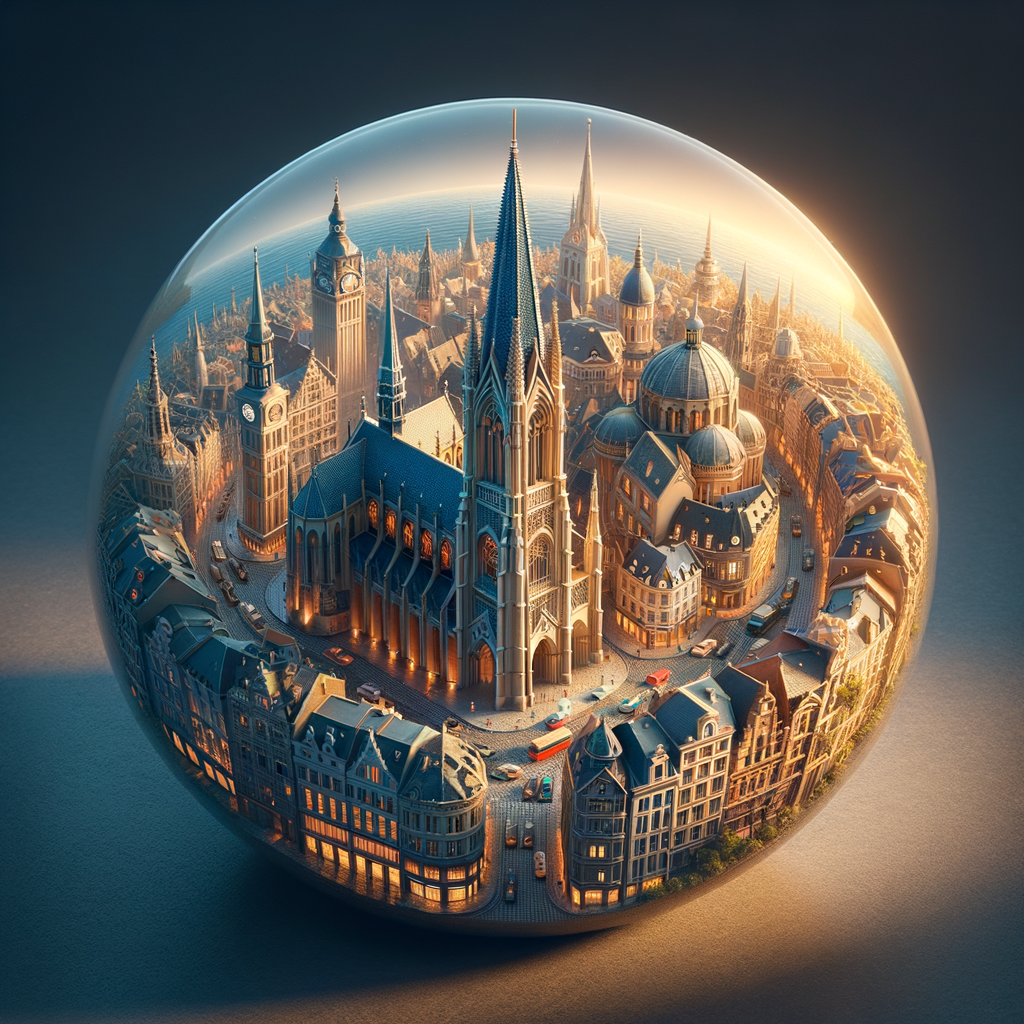
Next, weigh decision factors in order of importance for a first trip, because some matters reduce stress more than others. Put airport access and safety at the top, then add public transport, walkability, language comfort, and attraction density. For example, a city with a 20-minute airport transfer and high English use is easier for a first-timer than a famous city with long transfers and complex transit. Use this quick triage checklist to rule in or out cities in under a minute:
- Airport to city under 40 minutes is acceptable.
- Public transit requires fewer than two connections to central stops.
- City has clear tourist zones with good signage and English-friendly services.
- Crime and safety reports show low pickpocket risk in main areas.
- At least two major attractions you want to see are within walking distance.
How We Rank Best European Cities: Easy-Travel Score Explained
We use a simple composite score to make choices objective, so you can compare cities at a glance rather than guessing. The score combines connectivity, transit ease, safety index, walkability, cultural density, and cost into one number you can sort. Data points include flight frequency and airport transfer time, public transport coverage and frequency, safety data sources like indexed reports, number of museums and UNESCO sites, and average daily cost. For broader trend context, consult EU tourism statistics which help validate connectivity and visitor flows.
| Criteria | Data Points | Example Score (0-10) |
|---|---|---|
| Connectivity | Flight frequency, airport transfer time | 8 |
| Transit Ease | Coverage, frequency, ticket simplicity | 7 |
| Safety Index | Crime reports, tourist incident rates | 9 |
| Walkability | Pedestrian zones, compact core | 8 |
| Cultural Density | Museums, UNESCO sites, live venues | 9 |
| Cost | Average daily spend estimates | 6 |
Top European Cities For First-Time Travelers (Quick List With Who Each City Fits)
This shortlist gives 12 reliable city choices, with one-line reasons so you can match them to your profile quickly, and it highlights family and accessibility options. Each entry below shows the main strength, typical ideal stay, airport transfer time, and an average daily cost estimate to help with budgeting. Use this to pick one city, or combine two cities with different strengths for contrast.
| City | Best For | Ideal Trip Length | Airport To City Time | Avg Daily Cost |
|---|---|---|---|---|
| Amsterdam | Walkable, English-friendly | 3 days | 20–30 min | €120 |
| Barcelona | Seaside, architecture | 3–4 days | 25–40 min | €110 |
| Prague | Budget charm | 2–3 days | 20–30 min | €80 |
| Lisbon | Hills, day trips | 3 days | 20–30 min | €90 |
| Paris | Museums, landmarks | 3–4 days | 30–60 min | €150 |
| Rome | History, food | 3 days | 30–50 min | €130 |
| Berlin | History, nightlife | 3 days | 20–40 min | €100 |
| Vienna | Safety, classical music | 2–3 days | 20–30 min | €140 |
| Copenhagen | Design, cycling | 2–3 days | 15–30 min | €160 |
| Edinburgh | Compact, festivals | 2–3 days | 30–40 min | €120 |
| Budapest | Budget baths | 2–3 days | 30–40 min | €85 |
| Ljubljana | Compact, day-trip friendly | 2 days | 25–40 min | €90 |
City-By-City Guide: What To Do, Where To Stay, And How To Get Around
These short city notes give practical travel choices, so you know where to stay, what to see in one day, and how to move without stress. Each entry highlights best neighborhoods, three must-sees, and easiest transport options so you arrive ready to explore. Use the day and three-day plans to avoid overbooking, and note local tips on tickets and crowds. These compact notes also point to nearby day trips that often take less than one hour, which can multiply your cultural experience quickly.
These quick city notes include neighborhoods, must-sees, transport, and short plans:
- Amsterdam: Stay in Jordaan or Museum Quarter. Must-sees include Rijksmuseum, Anne Frank House, canal ring. Use trams and walk, buy day pass. One-day loop covers museums and a canal boat. Three-day adds Zaanse Schans windmills, and a bike ride. Day trip: Haarlem under 30 minutes by train.
- Paris: Stay in Marais or Saint-Germain. Must-sees include Louvre, Eiffel Tower, Montmartre. Use metro and RER, pick a museum pass for savings. One-day concentrates on central museums and Seine walk. Three-day adds Versailles or Giverny. Buy timed tickets online to skip lines.
- Rome: Stay near Campo de’ Fiori or Trastevere. Must-sees include Colosseum, Vatican, Pantheon. Use metro, buses, and lots of walking. One-day covers Colosseum and historic center. Three-day adds Vatican museums and a cooking class day. Watch for pickpockets near major sites and keep bags closed.
- Lisbon: Stay in Baixa or Alfama. Must-sees include Belém, São Jorge Castle, tram 28 ride. Use trams and tuk-tuks in hills, get a transport card. One-day loops Alfama and riverfront. Three-day adds Sintra for a half-day, which is under one hour by train.
Quick Comparison: Ease Of Travel, Safety, Cost, And Cultural Highlights
This table gives side-by-side metrics so you can scan for the single factor that matters most, whether that is airport time, transit, safety, or hotel price. I rank each metric on a simple 1 to 5 scale, which helps you spot the best option for first-timers at a glance. Focus on the one column that solves your main fear, for example “safety score” if you worry about petty crime, or “airport access” if you want a low-stress arrival. Use these ranks together with the shortlist above to narrow your choice to one or two cities.
| City | Airport Access | Transit Score | Avg Hotel Price | Safety Score | Main Recommendation |
|---|---|---|---|---|---|
| Amsterdam | 4 | 5 | €140 | 5 | Best For Ease |
| Prague | 3 | 4 | €90 | 4 | Best For Budget |
| Paris | 3 | 5 | €170 | 3 | Best For Culture |
| Ljubljana | 4 | 3 | €100 | 5 | Best For Compact Trips |
Simple 3-Day Itineraries That Make City Feel Like Home
Three-day plans help you settle into rhythm, because the first day is for arrival and calm exploration, not marathon sightseeing. Below are four representative itineraries that prioritize easy arrival logistics and crowd avoidance, with timing tips to help you skip lines and enjoy local life. Each itinerary includes two sightseeing loops, and a relaxed last day focused on neighborhood markets or a long walk. Pack comfortable shoes and a slim daypack for easy mobility, and reserve key sights ahead to reduce queue risk.
- Compact City (Ljubljana): Day 1, arrive and stroll riverfront. Day 2, castle, old town, afternoon boat. Day 3, day trip to Lake Bled under one hour. Reserve castle tickets online on busy weekends.
- Museum-Heavy (Paris): Day 1, Seine walk and Montparnasse. Day 2, Louvre morning, Orsay afternoon with timed tickets. Day 3, Versailles half-day. Book museum slots early to avoid lines.
- Budget (Budapest): Day 1, thermal baths and river walk. Day 2, Buda castle and ruin bars. Day 3, Danube cruise or Szentendre day trip. Buy a city transport pass for savings.
- Seaside (Barcelona): Day 1, Gothic Quarter and beach. Day 2, Sagrada Familia and Park Güell with timed entry. Day 3, Montjuïc and food market. Arrive early at top sites to beat crowds.
Plan Smarter: Budgets, Transport Passes, And How To Save On Your First Trip
Knowing typical daily ranges reduces budget anxiety, because you can plan a safe spending buffer and still enjoy meals and museums. For city types expect budget days from €60–€100, mid-range €100–€180, and splurge €200+, depending on local prices and season. Save with city cards, transport passes, and free museum days, and consider trains for short multi-city hops when door-to-door times are competitive. Tools like Eurail for multi-city rail, and apps like Skyscanner and Rome2rio, can help you compare transport options quickly.
| City Type | Budget Range | Top Saving Tip |
|---|---|---|
| Compact | €70–€120 | Buy short transit passes and walk more. |
| Museum-Heavy | €100–€200 | Get city museum passes for multi-entry savings. |
| Seaside | €90–€160 | Use local markets for meals and picnic options. |
Stay Safe And Respect Local Culture: Practical Rules Every First-Timer Should Follow
Safety and respect reduce stress, because small habits prevent most problems and connect you to local life. Keep valuables close, use a crossbody bag, and avoid ATM lanes that feel isolated to reduce petty theft risk. Register with your embassy if useful, carry travel insurance, and know local emergency numbers or EU health card rules before departure. Respect dress codes at religious sites, ask before photographing people, and follow local queueing and tipping customs to avoid awkward moments.
- Keep bag in front in busy areas and use anti-theft closures.
- Buy travel insurance that covers medical and missed connections.
- Learn basic local phrases for greetings and thanks to improve interactions.
- Check accessibility notes if you need step-free routes or stroller access.
When To Go And How To Book: Timing, Flights, Trains, And Reservation Priorities
Season matters because shoulder months often give the best balance of weather, price, and lower crowds, while summer brings festivals and bigger queues. Book flights and accommodation early, then lock in airport transfers and top-site tickets, because those become scarce faster than regular restaurant reservations. For medium-distance routes, compare flight plus transfer time with train durations, since trains often win on total door-to-door time and comfort. Set price alerts and aim to book nonrefundable deals only when you have flexibility, because cheap fares can vanish quickly.
- Priority: flights, accommodation, airport transfer, top-site tickets, evening reservations.
- For short hops, choose train when city-center times and costs are competitive.
- Monitor prices with alerts and buy when a fair drop aligns with your schedule.
Plan Your First European City Trip In 7 Simple Steps
Follow these seven actions to move from indecision to a booked, sensible trip, because clear steps save time and reduce stress. The checklist below includes timing windows so you can tackle tasks at the best moment. Pack a printable mini-template with flight, lodging, emergency contacts, and reservations to keep essential info in one place. Be ready with two quick contingency plans, one for a missed flight and one for bad weather, so you can react calmly and enjoy your trip anyway.
- Select city that matches your profile and check airport transfer times.
- Book flights and accommodation once price and timing feel right.
- Reserve top attraction tickets and any required transfers or tours.
- Buy local transport card or download transit app before arrival.
- Create a simple daily plan with one major activity and two flexible options.
- Set aside emergency cash, copy documents, and enable roaming or local SIM.
- Pack comfortable shoes, daypack, plug adaptor, and a small first-aid kit.
Your first European city trip should feel like a clear, manageable adventure, not an overwhelming checklist. Choose the city that reduces travel friction, prioritize safety and easy transit, and book the few must-see items in advance so you can relax on arrival. With this guide, you have the tools to pick, plan, and enjoy a first trip that fits your style, and to expand your travels from there with confidence and curiosity.

Luca is a travel photographer and luxury explorer who brings destinations to life through curated guides and stunning visuals.