
Traveling for food can feel risky if you’re unsure where to go, how to order, or how to avoid tourist traps. For many travelers, the first concern is safety, and the second is finding the best local foods for travel that are truly authentic. This guide transforms those worries into a simple plan, helping you discover delicious local dishes, enjoy safe dining, and create memorable culinary experiences wherever you go.
Table of Contents
Why Local Food Makes Your Trip More Memorable And Authentic
Food carries history, migration, and local identity in a single bite, and that is why tasting matters when you travel. For example, tacos in a big capital often reflect fast urban flavors, while regional versions highlight local ingredients and techniques. Eating with locals opens conversations that museums rarely spark, and it creates memories tied to people not just places. Consequently, remembering a place by its flavors is one of the best ways to connect culturally.
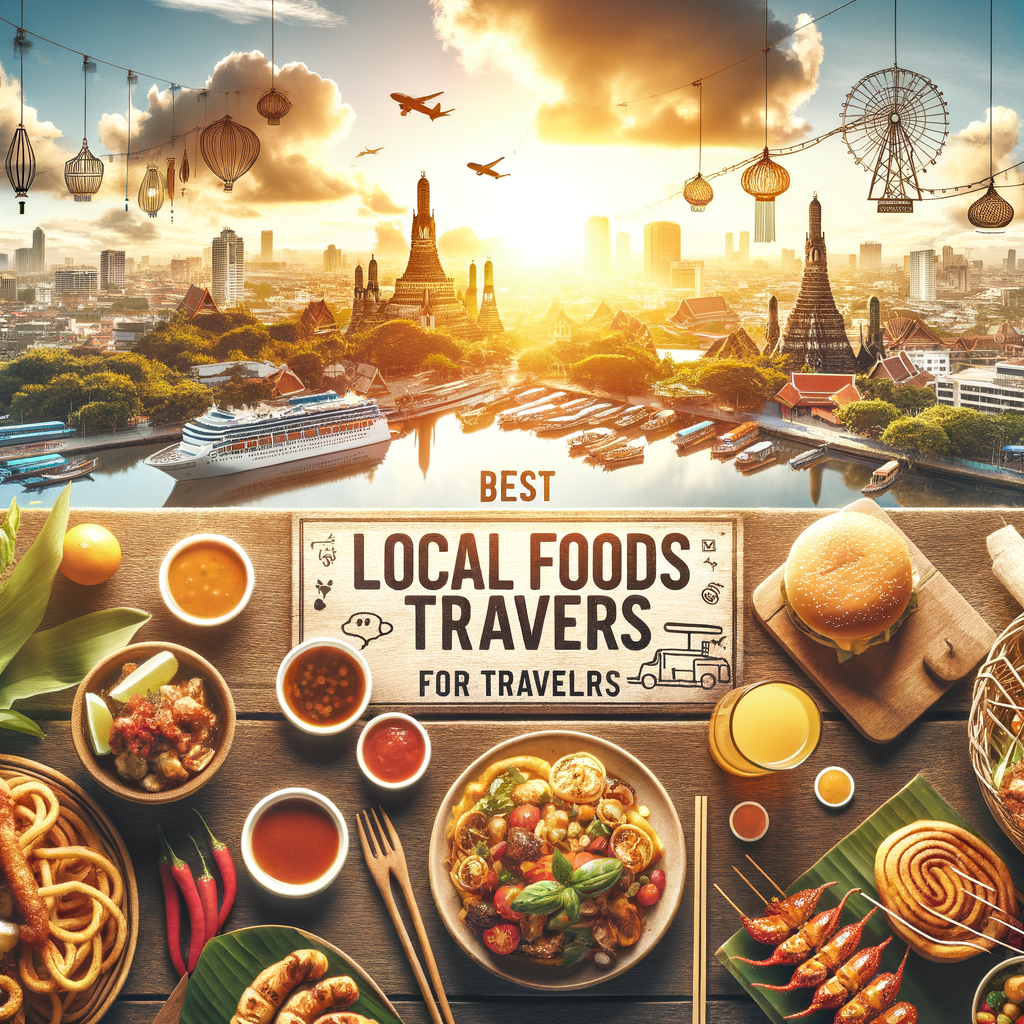
Many travelers worry about safety, language, or dietary needs, and those fears are solvable with simple tactics. Carry a short translation card, pick busy stalls with visible turnover, and ask your host for a trusted suggestion for safe local food. Also note that markets and family-run stalls usually offer better value than tourist restaurants, especially at lunch hour. When you choose places where locals eat, you get fresher food for less money.
Find Authentic Local Dishes Fast: Proven Methods For Any City
Finding genuine spots often looks chaotic, but there is a reliable method you can use in any city. Start at food markets, then explore nearby neighborhoods and visit during peak meal times to see where locals gather for real flavors. Use local cues like long queues, menus in the local language, and strong aromas to judge authenticity. With these steps you will cut through the tourist noise quickly.
These practical actions will help you locate authentic food fast:
- Visit central food markets, then walk two blocks into residential neighborhoods for more local stalls.
- Watch peak meal times for where crowds form, and follow repeat customers.
- Use Google Maps and local food blogs to compare user photos and recent reviews.
- Ask hotel staff or hosts for one off-menu recommendation to test local authenticity.
20 Iconic Local Dishes And Exactly Where To Eat Them (Budget To Splurge)
I curated twenty dishes from each continent, with neighborhood spots and price ranges to fit any budget, and I leaned on guides like Lonely Planet to balance must-try stops with lesser-known vendors. Each entry notes a cultural fact and a short ordering tip, so you know what to ask for and when to visit for best taste. Below is a compact table to pin to your food map.
| Dish | Country/City | Where to Find | Budget Range (USD) | Quick Cultural Note | Ordering Tip |
|---|---|---|---|---|---|
| Street Tacos | Mexico City | Centro Histórico stalls | $1 – $20 | Regional salsas define local style. | Ask for corn tortillas, demand salsa on side. |
| Oaxacan Mole | Oaxaca | Food markets, family kitchens | $3 – $40 | Complex sauce tied to festivals. | Order on rice or tortillas, share portion. |
| Sushi | Tokyo | Tsukiji outer stalls or Ginza restaurants | $5 – $200 | Seasonal fish is king. | Try omakase at splurge spots, request smaller portions. |
| Ramen | Fukuoka | Hakata ramen alleys | $3 – $30 | Comfort late-night meal. | Ask for noodle firmness, share bowls. |
| Peking Duck | Beijing | Qianmen restaurants | $10 – $150 | Often served whole, family style. | Book ahead for a carved set, specify skin preference. |
| Pho | Hanoi | Old Quarter street stalls | $1 – $15 | Breakfast staple for many locals. | Add herbs at table, ask for less spice. |
| Pad Thai | Bangkok | Street carts, local markets | $1 – $25 | Often sold by family vendors. | Order with shrimp or tofu, ask for less sugar. |
| Satay | Jakarta | Night markets and hawker lanes | $1 – $20 | Peanut sauce varies by region. | Order mixed skewers for variety. |
| Biryani | Hyderabad | Old city eateries | $2 – $50 | Layered rice and spice heritage. | Ask for spice level, share with raita. |
| Tagine | Marrakesh | Medina family restaurants | $3 – $60 | Slow-cooked, communal pot cooking. | Order with bread, request meat type. |
| Ceviche | Lima | Miraflores markets | $2 – $40 | Coastal citrus-cooked fish specialty. | Eat fresh that day, avoid long exposure. |
| Arepas | Caracas | Street vendors and cafes | $1 – $15 | Staple shaped by corn varieties. | Try cheese filling, ask for hot serve. |
| Feijoada | Rio de Janeiro | Local lunch houses | $4 – $35 | Hearty black bean stew on weekends. | Order at lunchtime, comes with sides. |
| Jollof Rice | Lagos | Market stalls, roadside grills | $1 – $20 | Regional rivalry shapes recipes. | Ask for chicken or fish version. |
| Bobotie | Cape Town | Family bistros, township kitchens | $3 – $30 | Cape Malay influence with curry notes. | Try with yellow rice and chutney. |
| Crepes | Paris | Street stands and cafes | $2 – $25 | Sweet and savory street staples. | Order simple fillings to taste dough. |
| Paella | Valencia | Seafront rice houses | $8 – $80 | Often a weekend family dish. | Share large pans, book for weekends. |
| Kebabs | Istanbul | Local döner shops and bazaars | $1 – $40 | Ottoman roots and street culture. | Request bread choice, add salad. |
| Fish and Chips | London | Family-run chippies | $5 – $30 | Traditional seaside takeaway dish. | Order with vinegar, choose cod or haddock. |
| Hawaiian Poke | Honolulu | Beachside bowls and markets | $6 – $35 | Fresh raw fish with soy and sesame. | Ask for low-salt or extra ginger. |
How to Eat Local On a Budget: Practical Tactics That Save Money
Stretch your food budget without sacrificing flavor or experience by targeting the best local foods for travel. Focus on lunch specials, market stalls, and night vendors where locals go for affordable, delicious eats. Sharing plates or ordering tapas-style lets you sample more dishes without paying for full entrees. With a smart plan, you can taste a wide variety of local flavors while keeping your daily costs predictable.
Try these money-saving tactics:
- Choose lunch menus, daily specials, or market plates instead of dinner set menus.
- Share small plates or family platters to lower per-person cost.
- Follow late-night vendor crowds for cheaper, freshly made snacks.
- Use local coupon apps or market membership cards to save on repeat visits.
Ordering And Etiquette: Respect Local Food Culture And Avoid Common Faux Pas
Good manners and clear payment expectations make meals smoother and more pleasant for you and your host. Across regions, habits differ on eating with hands, slurping, or sharing bowls, and knowing a few norms shows respect and eases interactions. Tipping rules and payment preferences also vary, so plan to carry some cash when card use is limited. Below is a quick etiquette table for common regions.
| Region | Common Etiquette | Quick Phrases To Use | Payment/Tipping Norms |
|---|---|---|---|
| Southeast Asia | Use spoons for rice, slurping noodles okay. | “Less spicy please”, “No peanuts”. | Cash common, small tip appreciated. |
| Southern Europe | Meals linger, bread on table for sharing. | “Table for two”, “Check please”. | Service often included, small tip customary. |
| Middle East | Eat with right hand, accept tea as hospitality. | “No pork”, “Halal available”. | Cash preferred in bazaars, tip modestly. |
| Latin America | Casual service, sharing plates common. | “Less chili”, “Extra lime”. | Tap cards in cities, tip servers moderately. |
| North America | Casual to formal norms, ask if unsure. | “To go”, “Allergic to nuts”. | Card widely accepted, standard tipping applies. |
Stay Safe: Health, Allergies, And Avoiding Food Scams While Eating Local
Vendor vetting and clear allergy communication help you enjoy the best local foods for travel safely and worry-free. Look for visible prep areas, high turnover, and proper temperatures as simple signals that a vendor can be trusted. For allergies, carry clear translation cards and specify the ingredient name rather than just saying “allergy” to avoid misunderstandings. If something feels off, opt for a clean local restaurant or a packaged alternative and move on without stress.
Plan Food-Centered Trip: Sample 3-Day Itineraries For Budget, Midrange, Luxury Travelers
These parallel itineraries show how to layer markets, street dishes, and special dinners into three balanced days. Each plan keeps a morning market visit as a cultural anchor, with neighborhood meals to avoid crowds and a standout dinner to savor local specialty for depth and variety. Swap items to fit dietary needs, and pick market days that match seasonal specialties. The table below maps simple options by budget tier.
| Day | Budget Plan | Midrange Plan | Luxury Plan |
|---|---|---|---|
| Breakfast | Market pastries and coffee. | Local cafe with regional breakfast. | Private market tour, chef-prepared tasting. |
| Lunch | Street stall signature dish. | Popular small restaurant in neighborhood. | High-end tasting menu of regional specialties. |
| Snack | Street snack from vendor. | Bakery or specialty shop local favorite. | Private tasting or guided food walk. |
| Dinner | Family-run diner specialty. | Well-reviewed local restaurant with reservations. | Reserved chef table or exclusive local supper club. |
| Notes | Walk between stops, bring cash. | Book one dinner in advance. | Arrange supplier visits or market access. |
Tools, Apps, And Local Resources That Make Finding Authentic Food Easy
Modern tools speed discovery, but local knowledge still matters. Use mapping apps for directions, translation apps for allergies, and food blogs for neighborhood tips, and be ready to verify authenticity in person for best results. Social media micro-influencers can help, but cross-check with local reviews to avoid paid placements. Offline, carry a printed map and bookmark a few trusted addresses to avoid last-minute stress.
Useful tools to rely on include:
- Google Maps for directions and busy times.
- Translation app plus printed allergy card for safety.
- Local Facebook groups or community forums for fresh tips.
- Home-dining platforms to book home-cooked meals with safety checks.
Document And Share Your Food Finds: Simple Tips That Build Credibility And Memories
Recording what you ate makes future trips richer, and sharing ethically helps vendors and readers. Photograph dishes with context, note vendor names and prices, and credit spots when you post to give back and build trust. Avoid promoting unsafe or exploitative vendors, and always ask before photographing people or private kitchens.
Keep a simple notes system that includes vendor, dish name, cost, and a one-line memory for future reference. This habit turns spontaneous meals into reliable recommendations you can follow on return trips. Share responsibly, and your food map becomes a resource for others and a record for yourself.
Conclusion
Follow the practical tips here and you will eat better, spend smarter, and feel safer while exploring local cuisines. Choose seasonal stalls and diaspora spots when you want specific regional flavors, and prioritize vendors with transparent sourcing to support sustainable producers. Your next trip should be defined by flavor, not fear, so pack appetite and curiosity and start mapping your food journey.

Luca is a travel photographer and luxury explorer who brings destinations to life through curated guides and stunning visuals.