
Feeling overwhelmed by planning is normal. You want to see Rome, eat regional food, and avoid wasted hours in queues, yet you fear an overpacked schedule and surprise fees. This travel guide to Italy turns overwhelm into a clear plan so you can travel with calm and confidence.
Table of Contents
Plan Perfect Italy Itinerary by Trip Length (3, 7, 10, 14+ days)
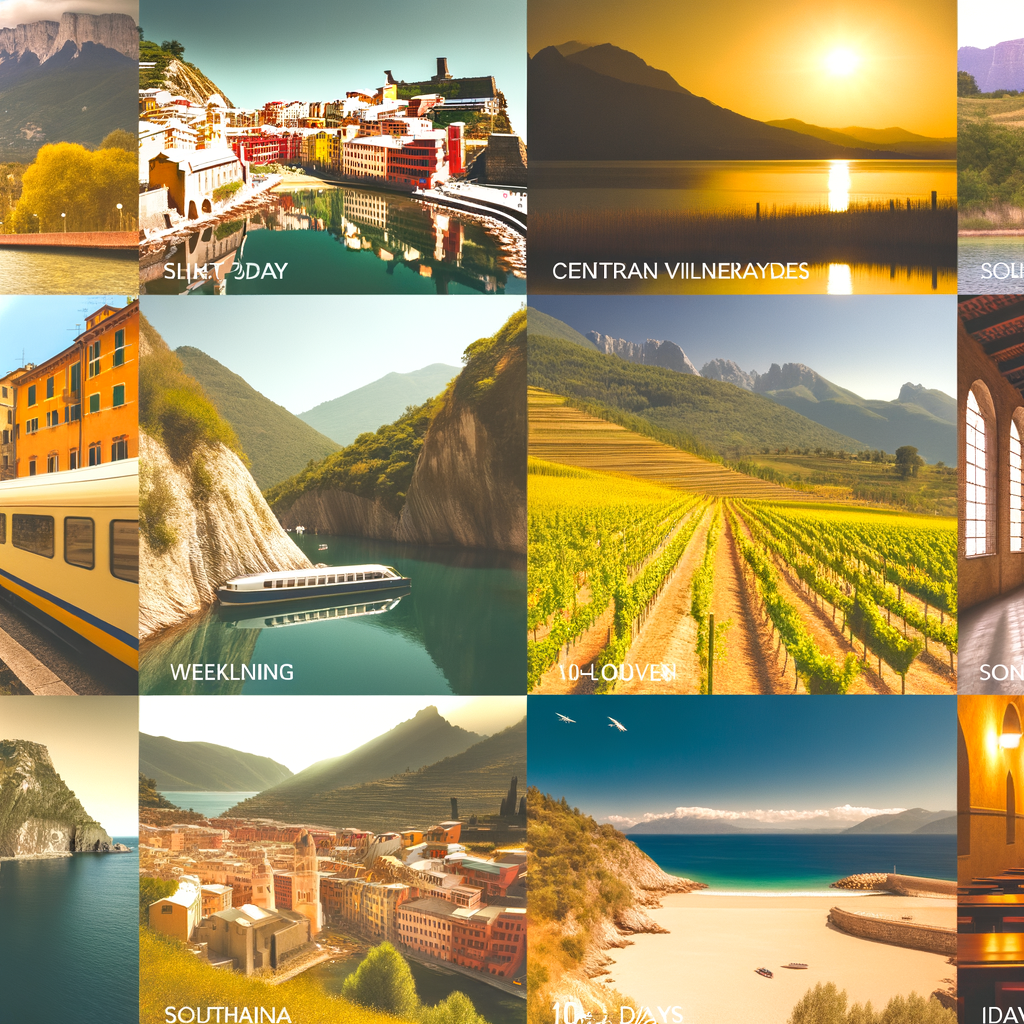
Trip length should drive priorities. Short trips reward focus, while longer trips let you savor slower regions and side trips. For example, a 3 day trip works best with one base city and minimal transfers, while two weeks allows a regional loop without constant packing. Use the sample table below to match pace to your goal and avoid burnout.
| Trip Length. | Sample Route. | Daily Focus. | Approx Travel Time. |
|---|---|---|---|
| 3 days. | Rome city stay. | Major sights with one neighborhood stroll. | Minimal transfers, airport to city 30–60 minutes. |
| 7 days. | Rome, Florence, Venice. | High-speed train hops, highlights in each city. | 2–3 train transfers, 1–3 hours each. |
| 10 days. | Florence, Tuscan slow-visit, Cinque Terre. | Balance museums with countryside rest days. | 3–5 transfers, include regional train or rental day. |
| 14+ days. | North lakes, Emilia food trail, Amalfi Coast. | Regional loops with one island or southern leg. | Plan one internal flight or longer scenic drives. |
Decide must-see versus nice-to-see. Create a one-line promise for each day, then allow buffer time for lines or delays. A realistic daily maximum is two major timed sites plus one relaxed walking or food stop to keep energy up. Use this quick decision checklist to finish your plan without overpromising.
Choose Where to Go: North, Central, South, Islands, Match Regions to Goals
Each region of Italy offers its own unique rewards. The north is ideal for lakes and Alpine scenery, central Italy is rich in art and urban history, while the south and islands provide sun-soaked beaches and distinctive local cuisines. When planning your trip, consider the season and weather, as climate can affect what activities are comfortable and enjoyable. To match regions to traveler interests, food lovers may favor Emilia-Romagna and Naples, photographers might focus on Cinque Terre and the Amalfi Coast, and slow travelers can immerse themselves in the Tuscan countryside.
It is also helpful to use official data to set realistic expectations. For convenience, select major transport hubs such as Rome, Milan, or Naples as anchors for regional loops. This approach reduces long transfers between destinations, saves time, and lowers stress during travel days.
Regional Highlights
- North: Lakes and mountains, perfect for scenic drives and cooler summer weather.
- Central: Art and history, ideal for museum visits and city walking tours.
- South: Coastlines and warmth, best for beaches, seafood, and coastal charm.
- Islands: Great for island hopping or slow beach stays, offering summer relaxation.
By planning thoughtfully and aligning destinations with your travel style, this Travel Guide to Italy helps ensure a rewarding and memorable trip.
Save Time and Money on Transport: Trains, Flights, Ferries, Driving
Choose high-speed trains for city-to-city hops. Trenitalia and Italo cover main corridors quickly and reliably, while regional trains serve small towns. For islands, ferries link Sardinia, Sicily, Capri, and Elba, but internal flights can save time for longer sea crossings. Decide on trains for low transit stress and cars for scenic freedom when exploring rural areas.
| Option. | Cost Range. | Convenience. | Best Use Case. |
|---|---|---|---|
| High-speed train. | Moderate to high. | Fast, city center to city center. | Rome to Florence, Milan to Venice. |
| Regional train. | Low. | Slower, frequent stops. | Short hops between small towns. |
| Ferry. | Low to moderate. | Scenic, weather dependent. | Island access and coastal day trips. |
| Rental car. | Variable, plus fuel and tolls. | Flexible, parking and ZTL rules apply. | Countryside, Amalfi, rural wine roads. |
Book smart to prevent surprises. Buy advance fares for high-speed trains and reserve seats for popular routes, validate regional tickets when required, and compare ferry timetables on official pages. For official travel tips and local notices, consult official travel guide to Italy. These steps cut cost and keep days predictable.
Set Realistic Italy Travel Budget: Costs, Hidden Fees, How to Save
Budget realistically by style and city. Daily costs vary by travel style, with budget travelers choosing hostels and transit, mid-range using 3 star hotels and occasional guided tours, and luxury travelers staying in high end hotels and private drivers. Beware hidden fees such as city tourist taxes, museum reservation charges, cloakroom fees, and restaurant cover charges. Knowing typical ranges helps you avoid sticker shock while traveling.
| City Example. | Budget Daily. | Mid-Range Daily. | Luxury Daily. |
|---|---|---|---|
| Rome or Florence. | €60–€120. | €150–€300. | €400+. |
| Venice or Amalfi. | €80–€150. | €200–€350. | €450+. |
| Southern towns. | €50–€100. | €120–€220. | €300+. |
Save with timing and tactics. Use city tourist cards for museums you will use, book timed tickets to skip lines, choose free museum days selectively, and consider shoulder season travel for lower rates. For money handling, prefer cards for larger purchases, carry small cash for markets, and check ATM fees before travel to avoid surprises.
Pick Best Places to Stay: Neighborhoods, Agriturismo, B&Bs, Apartment Rentals
Stay in neighborhoods that match priorities. Pick central districts if you want museums and nightlife, and family friendly quarters for quieter mornings. Agriturismo and small towns offer authentic stays and value, especially for slow travel lovers who want local food and relaxation. Check rental listings for Wi Fi, air conditioning, elevator access, and clear cancellation policies before booking.
- Choose central neighborhoods for first time city visits to save transit time.
- Prefer agriturismo for countryside meals and slower pace when possible.
- Check property rules in rentals to avoid legal issues and surprises.
- Book early for festivals and peak season to secure flexible rates.
Eat and Drink Like Local: Regional Specialties, Avoid Tourist Traps, Tipping
Taste the region, not the menu for tourists. Emilia Romagna means fresh pasta and prosciutto, Naples is pizza, and Sicily offers unique pastries and seafood. Look for menus in Italian and busy local spots to find authentic food, and prefer osteria or trattoria for casual, regional meals. Understand coperto and when to tip so you pay fairly without offending service norms.
- Ask locals or shopkeepers for recommended eateries instead of following main square options.
- Order courses in the local rhythm, starting with antipasti then primi then secondi when time allows.
- Use simple Italian phrases for allergies and restrictions to reduce errors at restaurants.
- Avoid restaurants with large photo menus outside as they often target tourists.
See Italy’s Culture with Confidence: Museums, Religious Sites, Festivals, Etiquette
Book high demand sites well in advance. Vatican Museum, Uffizi, and Colosseum require timed entry to skip major waits, and early bookings prevent last minute scrambling. Dress modestly for churches, and follow signage and quiet rules inside sacred sites to show respect. For festival participation, learn local schedules and rules so you can join safely and respectfully.
Understand Italy’s cultural footprint. Italy has countless World Heritage sites that reflect deep cultural value, so prioritize sites that match your interests and time. See lists and background at Italy World Heritage sites and cultural importance (UNESCO) to pick meaningful stops. This adds context and makes visits more memorable.
Sample Day-by-Day Itineraries for Different Travel Styles (Family, Budget, Food-Focused)
Match days to your travel energy. Families need slower mornings and midafternoon breaks, budget travelers should cluster free or low cost activities, and food focused itineraries place markets and dinners at core times. Below are compact examples that include transit and buffer times so you do not rush. Each plan has alternatives for bad weather or delays to keep you flexible.
| Style. | Day Blocks. | Must See. | Alternative. |
|---|---|---|---|
| Family, 5 days. | Mornings sightseeing, afternoons rest, early evening strolls. | Colosseum, Vatican gardens, kid friendly museum. | Playground and park day if weather poor. |
| Budget, 7 days. | Free walking tours, one paid museum per day, market lunches. | Major public sights, local markets, regional train day trip. | Replace paid tour with museum visit on rainy day. |
| Food Focus, 6 days. | Cooking class, market visit, winery afternoon. | Market tasting, chef led dinner, food tour. | Attend a local osteria for seasonal specialties. |
Best Time to Visit and What to Pack: Seasonal Advice, Weather, Packing Checklist
Pick season by crowd tolerance and weather needs. Shoulder seasons give pleasant weather with fewer tourists, while summer brings heat and larger crowds. Northern areas need warmer layers and the lakes can be cool in evenings. Pack comfortable shoes for cobbles, sun protection for southern coasts, and a compact rain layer for unexpected storms.
- Pack breathable layers for variable weather and long walking days.
- Bring comfortable closed shoes for cobblestones and light hiking options for coastal trails.
- Include travel adapter, power bank, and printed confirmations for train reservations.
- Use carry-on only packing if moving frequently to save time at stations.
Practical Travel Logistics: Visas, Health, Insurance, Connectivity, Safety
Prepare travel documents and health basics. Check visa and Schengen rules well before departure and carry copies of key documents. Buy travel insurance that covers medical evacuation and missed connections, and pack common medicines for minor ailments. For connectivity, compare eSIM versus local SIM options and download offline maps to navigate when roaming is slow.
Stay aware of common safety issues. Pickpocketing is common in crowded tourist spots, so use a money belt or secure bag and remain alert at transit hubs. Know local emergency numbers and the location of your embassy. If plans change because of strikes or weather, prioritize rebooking major transfers first and keep receipts for refunds and insurance claims.
Explore Offbeat Italy: Small Towns, Slow Travel, Agriturismo, Sustainable Choices
Slow travel rewards deeper experiences. Small towns like Orvieto, Ostuni, and Matera offer fewer crowds and strong local character with easy access from major hubs. Agriturismo supports local communities and provides hands on food and farm experiences that you cannot get in cities. Choose low impact transport when possible and respect natural sites to keep places beautiful for future visitors.
Offbeat choice often equals better value. A single overnight in a hill town can transform a trip from checklist to memorable exchange with local life, food, and craft.
Keep these practices in mind as you go. Plan for realistic pacing, expect small extra costs, prepare steps for troubleshooting missed connections, and consult official resources when in doubt. Use this guide to build a trip that fits your energy, budget, and curiosity, and then enjoy Italy with confidence and respect.

Luca is a travel photographer and luxury explorer who brings destinations to life through curated guides and stunning visuals.